
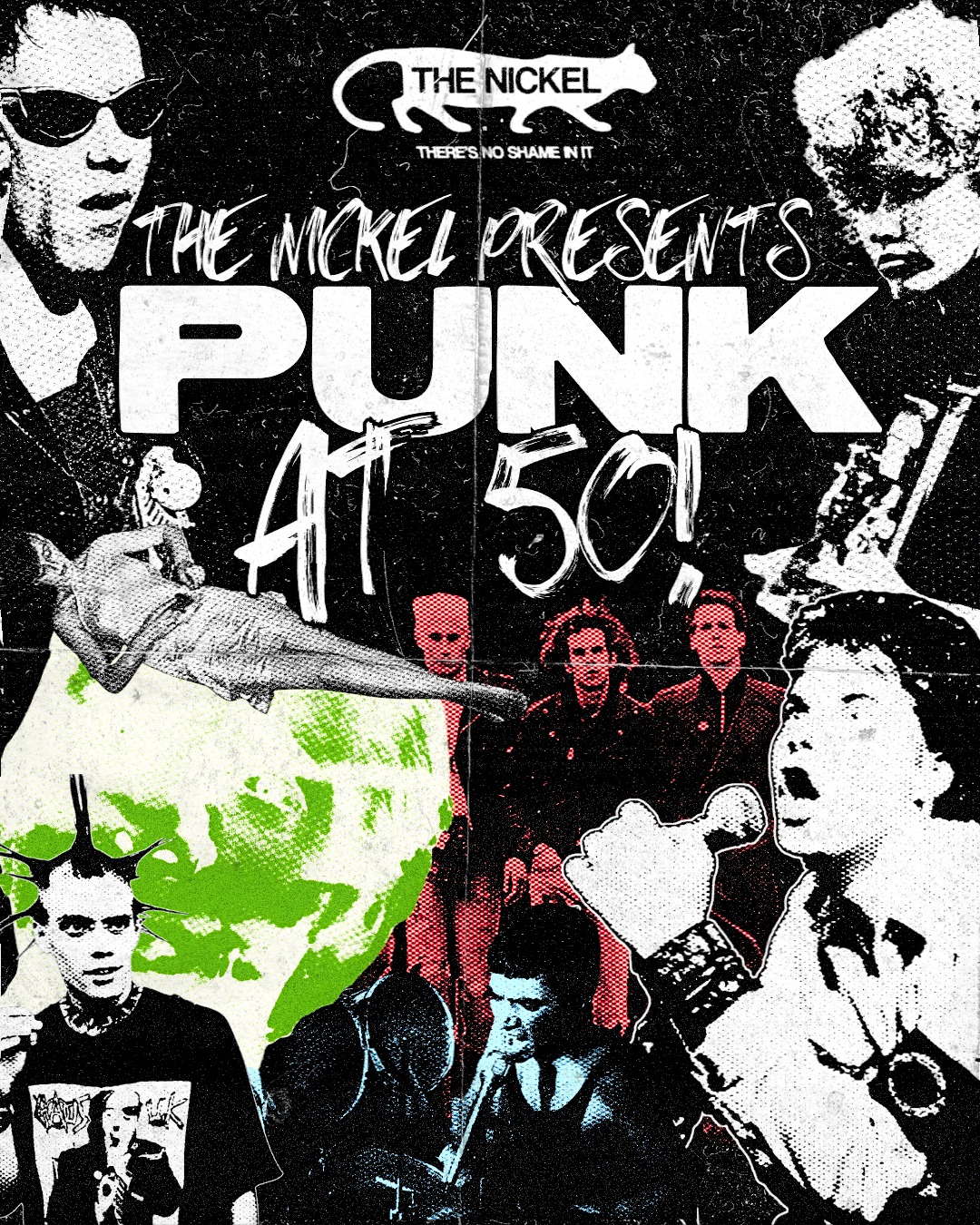
PUNK AT 50
2 films in this collection
Half a century ago, The Damned and the Sex Pistols released their first singles, and everything shifted. A nihilistic and violent reaction to the grim artifice of late capitalism, social conformity, and lost future.
This year, The Nickel will explore punk filmmaking in all its forms, from raw DIY independent filmmaking to features that incapsulate the chaotic refusal of order.
Punk cinema is less about style than stance. It refuses polish, refuses comfort, refuses explanation. Fifty years in, these films are still raw and alive.
This year, The Nickel will explore punk filmmaking in all its forms, from raw DIY independent filmmaking to features that incapsulate the chaotic refusal of order.
Punk cinema is less about style than stance. It refuses polish, refuses comfort, refuses explanation. Fifty years in, these films are still raw and alive.
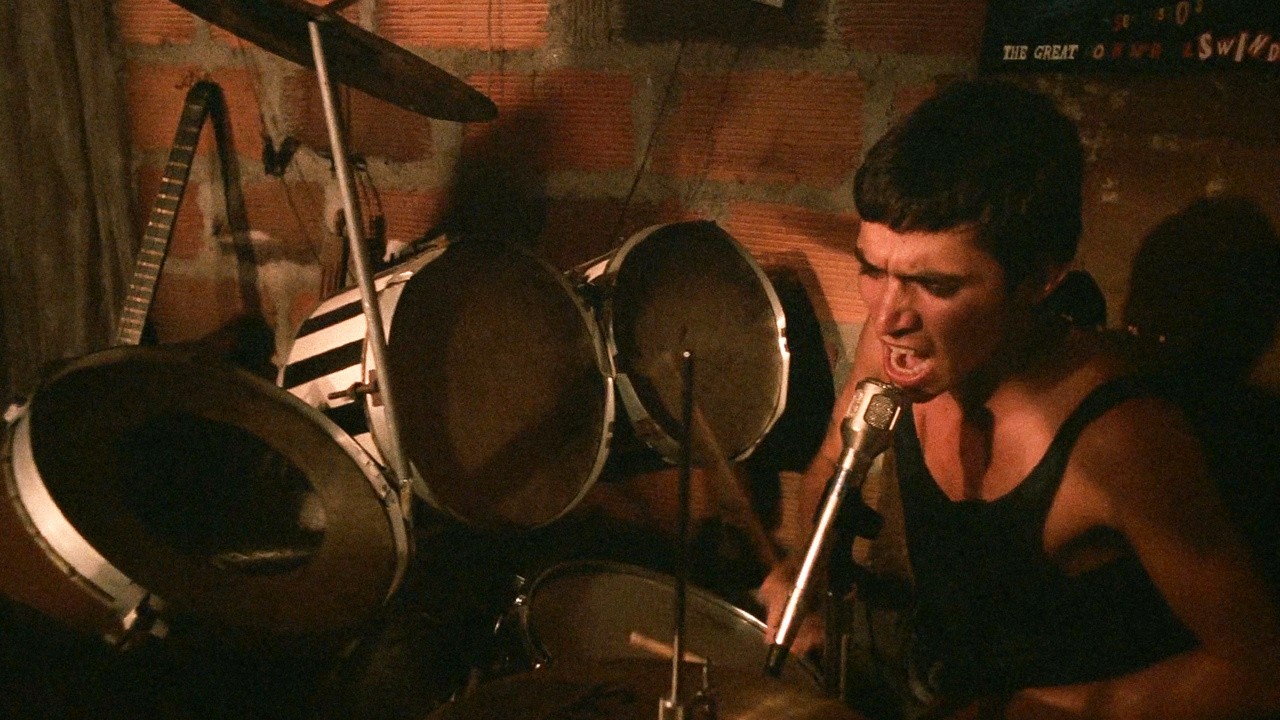
PUNK AT 50 PRESENTS: RODRIGO D: NO FUTURO
(1990, Colombia, Víctor Gaviria)
93 mins18
SCREENING AS PART OF PUNK! AT 50
Rodrigo and his friends are bored teenagers living in the slums of Medellín, Colombia. Rodrigo dreams of starting a punk band, but with no opportunities and constant exposure to crime, violence, and aimlessness, he and his mates drift through their days stealing bikes or cars, listening to music, and trying to find meaning in a world that feels stacked against them.
This raw, unflinching drama paints a vivid portrait of youth pushed to the margins. With naturalistic performances from young non‑professional actors and a soundtrack rooted in punk energy, the film captures both the bleakness and the restless spirit of life in late‑1980s Medellín, where dreams flicker and futures feel impossible to grasp.
Rodrigo and his friends are bored teenagers living in the slums of Medellín, Colombia. Rodrigo dreams of starting a punk band, but with no opportunities and constant exposure to crime, violence, and aimlessness, he and his mates drift through their days stealing bikes or cars, listening to music, and trying to find meaning in a world that feels stacked against them.
This raw, unflinching drama paints a vivid portrait of youth pushed to the margins. With naturalistic performances from young non‑professional actors and a soundtrack rooted in punk energy, the film captures both the bleakness and the restless spirit of life in late‑1980s Medellín, where dreams flicker and futures feel impossible to grasp.
Upcoming Screenings
No upcoming screenings
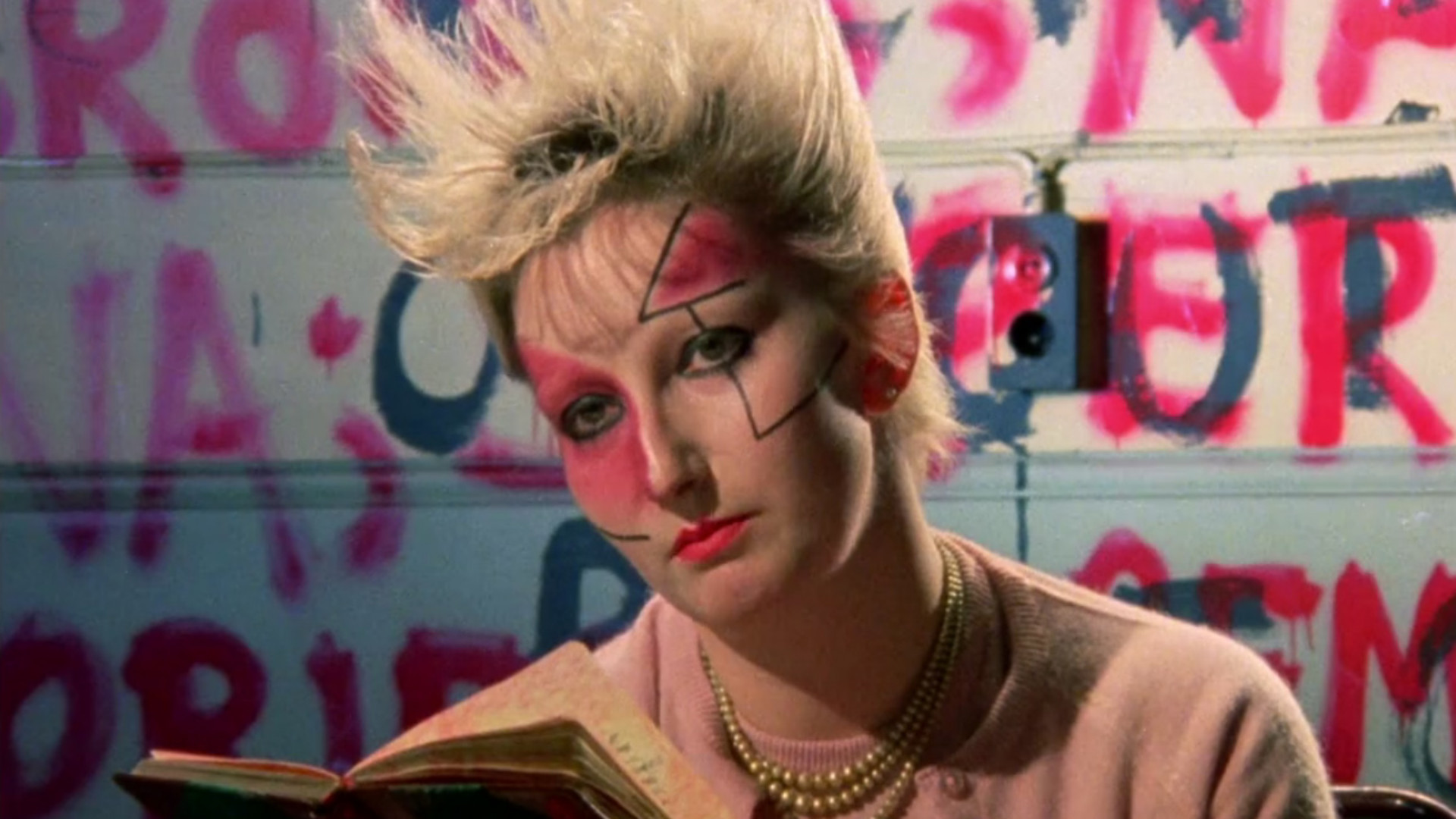
PUNK AT 50 PRESENTS: JUBILEE
(1978, UK, Derek Jarman)
106 mins18
After an encounter with the occult philosopher John Dee, Queen Elizabeth I is transported from the sixteenth century into a near-future Britain marked by social collapse, media saturation, and authoritarian control. Arriving in a London populated by punk gangs, aspiring pop stars, political extremists, and cultural opportunists, she witnesses a society in which traditional institutions have disintegrated and power has been absorbed by entertainment, violence, and spectacle. Moving between squats, wastelands, recording studios, and ruined urban spaces, the film unfolds as a series of encounters rather than a conventional narrative.
Widely regarded as the first British punk film, Jubilee emerged directly from the cultural ferment of late-1970s London and features appearances from figures associated with the punk and post-punk scene, including Toyah Willcox, Jordan, Adam Ant, and Gene October. Rather than functioning as a celebration of punk culture, Derek Jarman's film subjects both the establishment and the counterculture to sustained scrutiny, presenting a vision of Britain shaped by commodification, nationalism, and social decay. Combining historical fantasy, political satire, and experimental filmmaking, Jubilee remains one of the key cinematic responses to the economic and cultural crises that transformed Britain during the 1970s.
Widely regarded as the first British punk film, Jubilee emerged directly from the cultural ferment of late-1970s London and features appearances from figures associated with the punk and post-punk scene, including Toyah Willcox, Jordan, Adam Ant, and Gene October. Rather than functioning as a celebration of punk culture, Derek Jarman's film subjects both the establishment and the counterculture to sustained scrutiny, presenting a vision of Britain shaped by commodification, nationalism, and social decay. Combining historical fantasy, political satire, and experimental filmmaking, Jubilee remains one of the key cinematic responses to the economic and cultural crises that transformed Britain during the 1970s.
Upcoming Screenings
No upcoming screenings