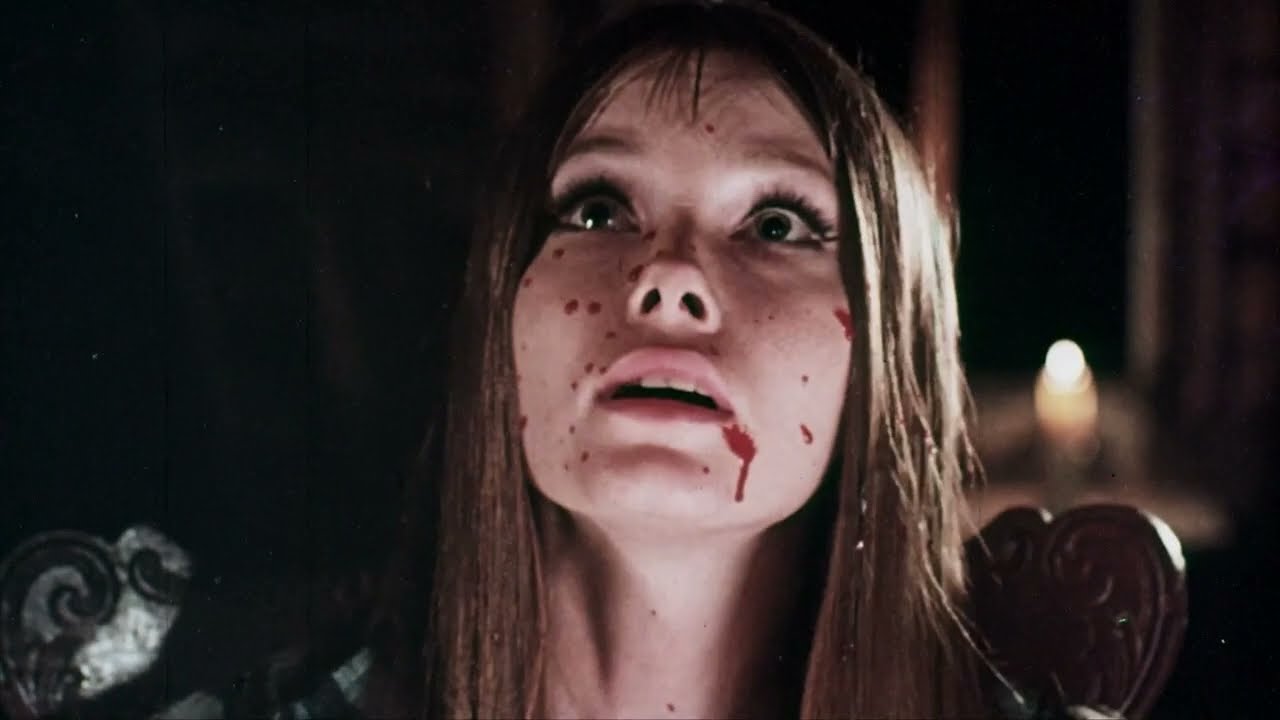
Featured video thumbnail

Please note we are unable to offer refunds or exchanges on tickets. No late admissions from 15 minutes after showtime.
Poster for SCANNERS INC. PRESENTS: THE RULES OF ATTRACTION

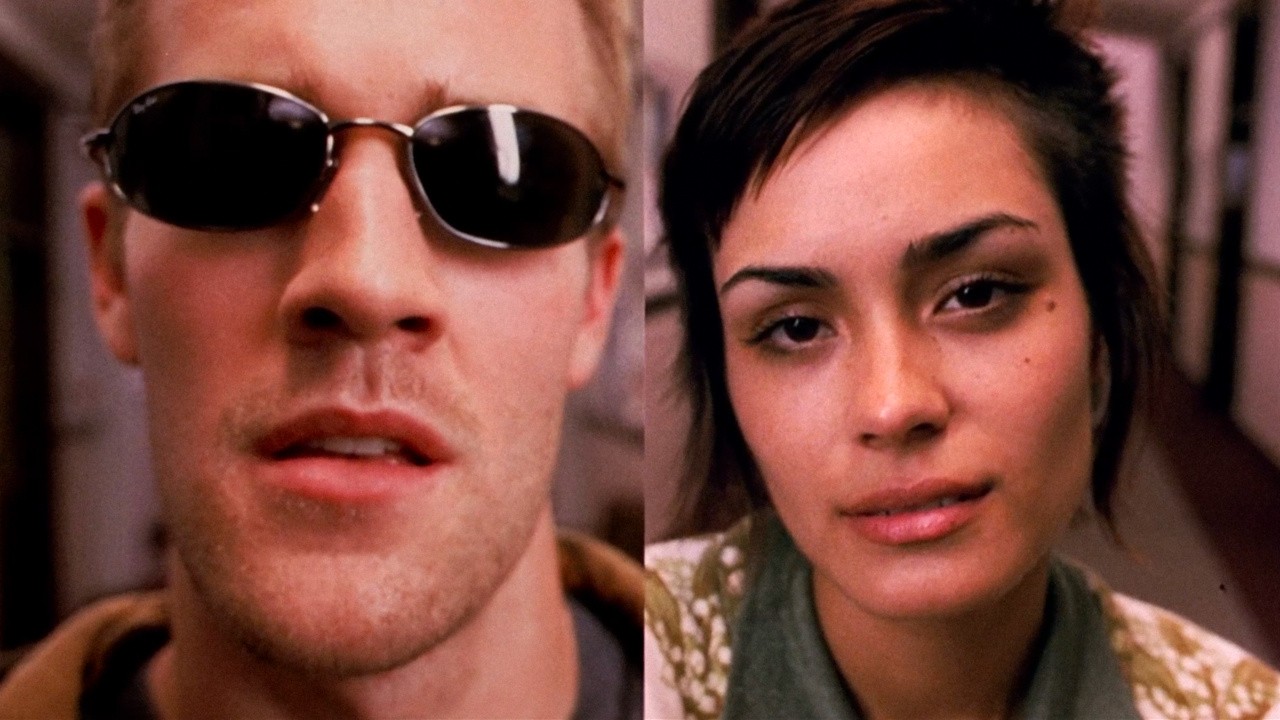
SCANNERS INC. PRESENTS: THE RULES OF ATTRACTION

(2002, USA, Roger Avary)

Set within the insulated sprawl of an East Coast liberal arts college, The Rules of Attraction fractures youth into overlapping monologues of desire, resentment, and emotional vacancy. Characters orbit one another without alignment, mistaking proximity for intimacy and indulgence for meaning. Avary adapts Bret Easton Ellis with a cold formalism that mirrors the film’s worldview: time loops, perspectives contradict, and events recur without consequence. Romance is transactional, sex is anesthetic, and connection is endlessly deferred. What emerges is not a cautionary tale but a system—self-contained, performative, and quietly brutal—where everyone is both observer and casualty.

This screening is presented by Scanners, Inc. from a 35mm scan.
Runtime: 110 mins
Certificate: 18
Friday 30.1
Doors 8.15pm
Film 8.45pm
Digital
Sold Out
Poster for SCANNERS INC. PRESENTS: OUT FOR JUSTICE

SCANNERS INC. PRESENTS: OUT FOR JUSTICE

(1989, USA, John Flynn)

On the streets of Brooklyn, a cop’s pursuit of a psychopath who murdered his partner escalates into a one-man campaign of humiliation, intimidation, and retributive violence. Out for Justice strips the police thriller down to its rawest components: territorial masculinity, public dominance, and justice reduced to spectacle. Steven Seagal’s Gino Felino operates less as a lawman than as an unstoppable corrective force, moving through bars, alleys, and family spaces with absolute certainty and zero moral hesitation.

Flynn frames the city as a hostile arena where order is imposed, not negotiated, and where legality is secondary to personal codes of loyalty and honour. The film’s notorious confrontations—played out in full view of the community—transform justice into a performance designed to shame as much as punish. Devoid of irony or self-reflection, Out for Justice embodies a particular early-90s fantasy of control: blunt, territorial, and brutally efficient, offering catharsis not through resolution, but through dominance asserted until resistance collapses.

This screening is presented by Scanners, Inc. from a 35mm scan.
Runtime: 91 mins
Certificate: 18
Saturday 31.1
Doors 3pm
Film 3.30pm
Digital
Sold Out
Poster for SCANNERS INC. PRESENTS: CLASS OF 1984

SCANNERS INC. PRESENTS: CLASS OF 1984

(1982, USA, Mark L. Lester)

In a decaying urban high school ruled by gangs, intimidation, and institutional collapse, an idealistic music teacher enters a system already beyond repair. Class of 1984 weaponises the teen delinquent film, escalating it into something closer to vigilante horror, where authority is systematically humiliated and civility proves to be a fatal weakness. Lester frames the school as a closed ecosystem of aggression—corridors as battlegrounds, classrooms as holding cells, where violence is not aberrant but structural.

The film’s moral universe is stark and unsentimental: attempts at reform are punished, empathy is exploited, and retaliation becomes the only language left intact. Its lurid set-pieces and confrontational tone reflect early-80s anxieties about social breakdown, youth nihilism, and the perceived failure of liberal restraint. Class of 1984 offers no rehabilitation narrative and no clean resolution—only the grim suggestion that once authority collapses, order can be restored only through force, leaving victory indistinguishable from surrender.

This screening is presented by Scanners, Inc. from a 35mm scan.
Runtime: 98 mins
Certificate: 18
Saturday 31.1
Doors 5.30pm
Film 6pm
Digital
Sold Out
Poster for SCANNERS INC. PRESENTS: HARDCORE

SCANNERS INC. PRESENTS: HARDCORE

(1979, USA, Paul Schrader)

When a devout Midwestern businessman travels to Los Angeles in search of his missing daughter, he descends into the commercialised labyrinth of the pornography industry, confronting a world that operates by entirely different moral and economic laws. Hardcore reframes the detective narrative as a spiritual crisis, charting not just a physical search but the collapse of a belief system unable to survive contact with late-70s American capitalism. Schrader’s direction is austere and punitive, refusing sensationalism even as it exposes exploitation, coercion, and commodified intimacy.

The film’s power lies in its refusal to grant moral superiority to any side: faith offers no protection, transgression offers no freedom, and revelation provides no cleansing. As the father pushes deeper into spaces he cannot control or comprehend, the film reveals the violence inherent in both repression and consumption. Hardcore ultimately presents America as a divided landscape held together by denial, where innocence is a constructed fantasy and exposure brings not salvation, but a quieter, more devastating form of loss.

This screening is presented by Scanners, Inc. from a 35mm scan.
Runtime: 108 mins
Certificate: 18
Saturday 31.1
Doors 8pm
Film 8.30pm
Digital
Sold Out
Poster for THE KING OF NEW YORK

THE KING OF NEW YORK

(1990, USA, Abel Ferrara)

A newly released drug lord, Frank White, returns to New York with a mission that straddles philanthropy and ruthlessness. Surrounded by loyal enforcers, he seeks to reclaim territory from rival crews while attempting to position himself as a benefactor to the very communities harmed by the trade. As violence escalates, Frank’s ambitions draw the attention of a group of disillusioned police officers determined to stop him by any means necessary.

Operating in the blurred space between criminal enterprise and political aspiration, King of New York captures the city at a moment of volatility—its power structures brittle, its institutions compromised. Ferrara’s film blends nocturnal urban atmosphere with a commentary on moral erosion, spotlighting the uneasy symbiosis between outlaw mythmaking and systemic decay.
Runtime: 103 mins
Certificate: 18
Sunday 1.2
Doors 4.30pm
Film 5pm
Digital
Sold Out
Poster for GLORIA

GLORIA

(1980, USA, John Cassavetes)

Gloria Swenson is a tough, self-reliant woman who has left her mob-connected past behind, only to be thrust into danger when a young boy’s family is brutally murdered. Tasked with protecting the traumatized child from relentless killers, Gloria navigates the gritty streets of New York with a mix of grit, cunning, and raw instinct. Every encounter tests her resilience as she fights to keep both of them alive.


A tense and stylish urban thriller, Gloria showcases Cassavetes’ trademark focus on character and emotion. Gena Rowlands delivers a fierce, magnetic performance, transforming Gloria into a modern antiheroine whose toughness is matched only by her humanity.
Runtime: 123 mins
Certificate: 15
Sunday 1.2
Doors 7pm
Film 7.30pm
Digital
Sold Out
Poster for THE EXORCIST III

THE EXORCIST III

(1990, USA, William Peter Blatty)

On the fifteenth anniversary of the exorcism that claimed Father Damien Karras’ life, Police Lieutenant Kinderman’s world is once again shattered when a boy is found decapitated and savagely crucified.

Blatty resurrects the philosophical and spiritual dread of the original Exorcist, not through spectacle but through mood, rhythm, and the grim patience of police procedural. The film slips between dream logic and grounded investigation as Kinderman confronts murders that echo a killer long dead.
Runtime: 116 mins
Certificate: 18
Monday 2.2
Doors 6pm
Film 6.30pm
Digital
Sold Out
Poster for SHRIME TIME: A NIGHT OF BIZARRO UNDERSEEN ANIME

SHRIME TIME: A NIGHT OF BIZARRO UNDERSEEN ANIME

From radical student animation collectives to sun-bleached techno-dystopias and gore-drenched horror, Shrime Time shines where the sun daren’t: revealing the backside of seldom-seen Japanese visual culture. Expect screenings from the 1960s to the present day, paired with special guests: musicians, artists, researchers and those obsessed with the outermost edges of Japan’s visual imagination.

The Shirime a y?kai (Japanese folkloric spirit and the evenings conveniently misspelled namesake) whose sole purpose is to startle unsuspecting samurai by revealing an eyeball in place of an arsehole. In his sick, twisted way, Shirime embodies the very spirit of B-cinema - a flash of grotesque brilliance, whose origin and intent remain a mystery, leaving the path forever altered.

So come. Sit still in the dark. Let the rectacular eye stare deep into your curious soul.

The Shirime is watching.
Certificate: 18
Monday 2.2
Doors 8.40pm
Film 9.10pm
Digital
Sold Out
Poster for ARROW PRESENTS: SANA

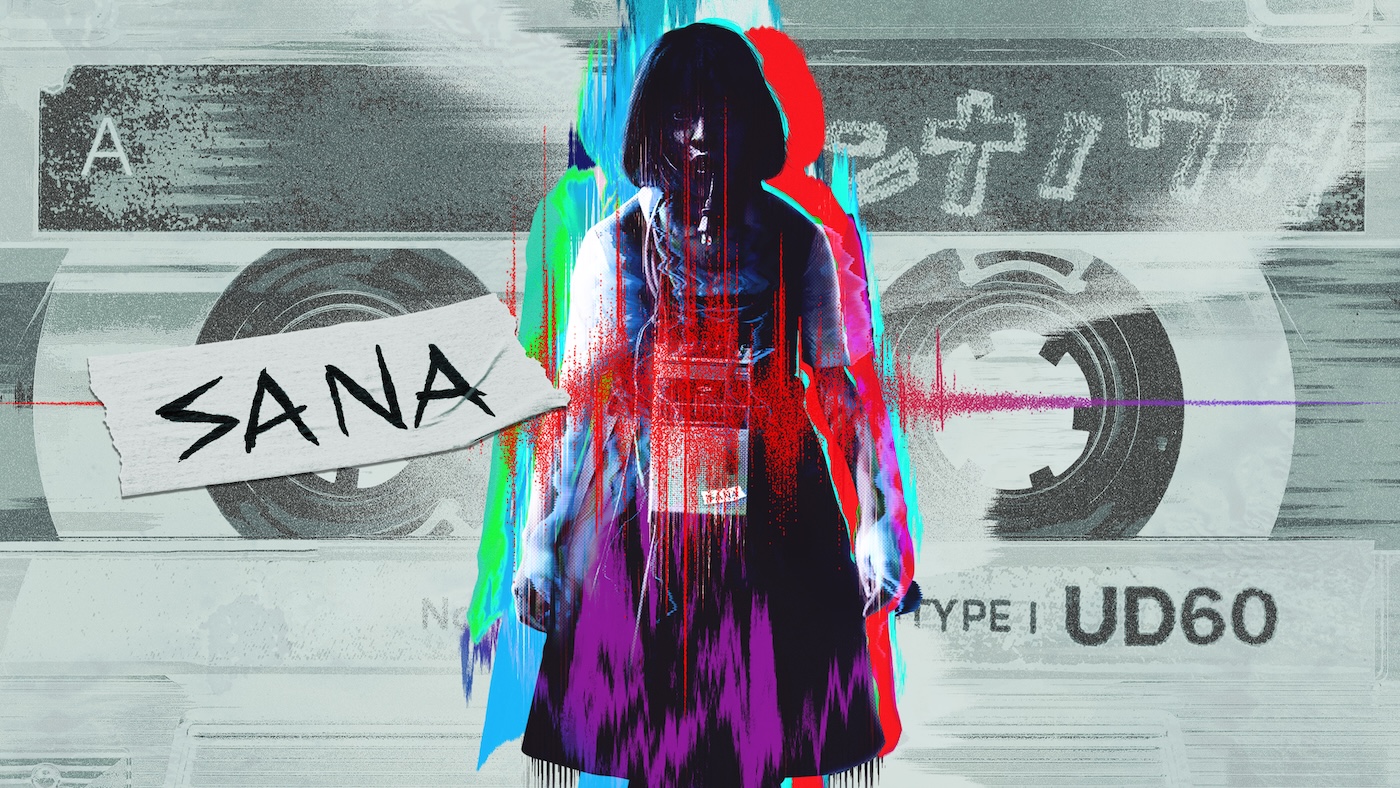
ARROW PRESENTS: SANA

(2023, Japan, Takashi Shimizu)

Members of a popular J-Pop group stumble upon a mysterious cassette tape carrying an eerie melody—a tune that inexplicably compels anyone who hears it to hum it incessantly and draws them into a web of supernatural occurrences. When one band member vanishes under its influence, the remaining musicians, their manager, and a seasoned detective are drawn together in a frantic effort to unravel the tape’s malignant origins before the creeping menace overtakes them all.

Directed by Takashi Shimizu, Sana reengages the tropes of Japanese horror with a sound-driven contagion that echoes the genre’s preoccupations with media as a vector of dread. The film situates its uncanny premise within the collision of pop culture and folklore, using the banal object of a cassette as both plot engine and symbolic fulcrum. In doing so, it channels the persistent unease of analogue artefacts in an increasingly digital age, crafting a contagion that is at once infectious and inscrutable.

This is a free screening and tickets will be allocated by Arrow.
Runtime: 102 mins
Certificate: 18
Tuesday 3.2
Doors 6pm
Film 6.30pm
Digital
Sold Out
Poster for TV PARTY, TONIGHT! PRESENTS A NIGHT WITH BRUCE BICKFORD

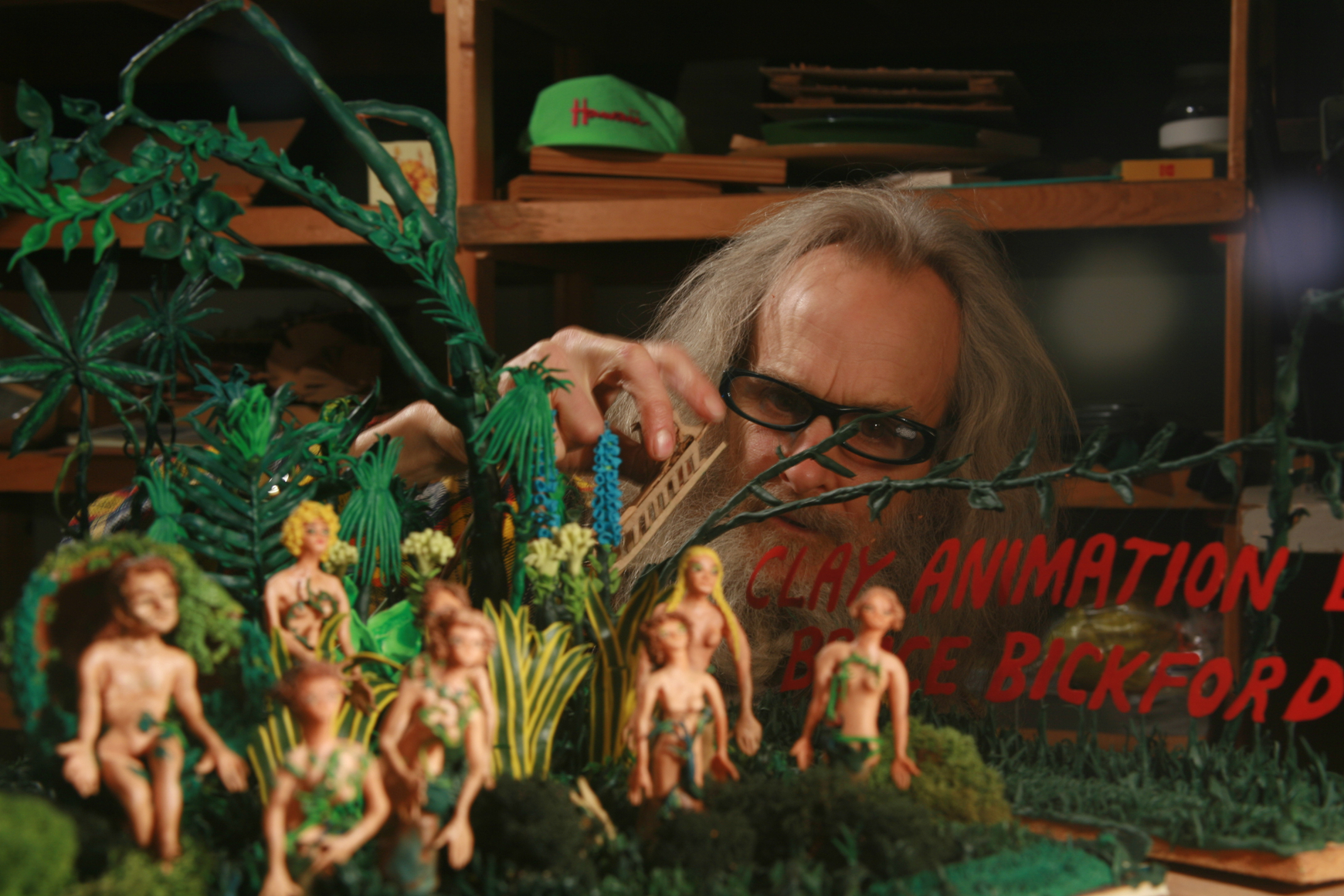
TV PARTY, TONIGHT! PRESENTS A NIGHT WITH BRUCE BICKFORD

(1988, USA, Bruce Bickford)

Bruce Bickford (1947–2019) forged his way through the American animation world like a comet traveling at one frame a minute. A visionary outsider artist, Bickford’s work gained wider attention through his collaborations with Frank Zappa in the late 1970s, most notably in the Claymation promo Baby Snakes (1979), which introduced his uncompromising vision to an international audience. Working largely in isolation over several decades, Bickford created epic, hallucinatory worlds filled with endlessly mutating bodies, mythic combat, and apocalyptic landscapes. His painstaking frame-by-frame process—often advancing mere millimeters at a time—resulted in films of extraordinary density, violence, and dark humour.

Feats of Clay (2 min)
A blast of raw Bickford energy—clay in constant revolt.

Beatnik Poet (5 min)
A newly scanned experiment in hand-drawn chaos and kinetic forms.

Attila (2.5 min)
A miniature epic of war and transformation, dense and mesmerizing.

• Cas'l' (2011, 48min)
Bruce Bickford's stop-motion Claymation magnum opus, twenty years in the making. Cas’l is a masterpiece of violent, exuberant and brilliant cartoonish invention.

• Prometheus’ Garden (1988, 28 min, 16mm)
The crown jewel of Bickford’s solo work—a mythic odyssey rendered in clay, madness, and motion. Featuring a reimagined score created by 28 artists, including members of OSEES, Sonic Youth, Bauhaus, The Residents, Foetus, TV
on the Radio, Psychic TV, Wand, Lightning Bolt, Voivod, Battles, and more!
Runtime: 95 mins
Certificate: 18
Tuesday 3.2
Doors 8.30pm
Film 9pm
Digital
Sold Out
Poster for KILL THE MOONLIGHT

KILL THE MOONLIGHT

(1994, USA, Steve Hanft)

Chance, a drifting would-be stock-car racer, moves between marginal jobs — hazardous-waste cleanup, fish-hatchery shifts, errand-work on the fringes of legality — after his racing prospects collapse. His days unfold in a loop of hopeful improvisation and low-grade desperation, punctuated by the dream of reviving his ruined Camaro. The film traces his meandering efforts to regain momentum within a landscape defined by stalled ambition and persistent economic dead-ends.

An underseen gem of early-1990s American independent filmmaking, Kill the Moonlight abandons conventional structure in favour of a lo-fi, digressive mode that mirrors its protagonist’s stalled trajectory. Shot in grainy 16 mm and built from detours rather than narrative escalation, the film occupies a unique space in the indie ecosystem of the era. Its cultural footprint is most visible in its influence on Beck, whose single “Loser” draws directly from Chance’s deadpan affect and worldview — a testament to the film’s eccentric, quietly resonant legacy.
Runtime: 76 mins
Certificate: 15
Wednesday 4.2
Doors 6pm
Film 6.30pm
Digital
Book here
Poster for LOOKING FOR MR GOODBAR

LOOKING FOR MR GOODBAR

(1977, USA, Richard Brooks)

A young teacher navigates the intersecting pressures of family expectations, professional responsibility, and an increasingly fragmented urban nightlife. By day she maintains the semblance of a structured routine; by night she immerses herself in bars and clubs, pursuing encounters that offer both liberation and volatility. As these parallel lives drift further apart, the risks embedded in her nocturnal excursions begin to sharpen, culminating in a confrontation shaped by the era’s anxieties around identity, desire, and danger.

Adapted from Judith Rossner’s novel and grounded in late-1970s social currents, Looking for Mr. Goodbar examines the collision between personal autonomy and a culture in transition. The film’s observational approach frames its protagonist within shifting sexual politics, urban alienation, and the era’s emerging moral panics, creating a document of a city—and a social landscape—balanced precariously between liberation and threat.

Presented by Agnė Qami
Runtime: 136 mins
Certificate: 18
Wednesday 4.2
Doors 8pm
Film 8.30pm
Digital
Book here
Poster for NAKED KILLER (ON VHS)

NAKED KILLER (ON VHS)

(1992, Hong Kong, Clarence Fok)

"An erotic Hong Kong action thriller featuring female assassins who shoot men in the dick." - Cathode Cinema

After a violent confrontation draws police attention, a streetwise young woman is pulled into an underground cadre of elite contract killers. Under the tutelage of a seasoned mentor, she is moulded into a precise and seductive operative, but her trajectory becomes complicated by a principled detective and a ruthless rival trained in a parallel system of coercion and manipulation. Their intersecting paths move inexorably toward a showdown shaped by desire, rivalry, and institutionalised violence.

Emerging from the early-1990s Hong Kong Category III wave, Naked Killer synthesises neon-saturated noir, stylised gunplay, and melodramatic excess. Its fusion of eroticism and hyperbolic action mirrors a period of industrial experimentation, where genre filmmaking pushed boundaries of taste, censorship, and spectacle.
Runtime: 90 mins
Certificate: 18
Thursday 5.2
Doors 6pm
Film 6.30pm
VHS
Sold Out
Poster for NIGHTMARE CITY

NIGHTMARE CITY

(1980, Italy, Umberto Lenzi)

When a military plane makes an emergency landing, a swarm of irradiated, fast-moving assailants pours onto the tarmac — infected men who retain motor skills, wield weapons, and attack with coordinated precision. As the contagion spreads through the city, a journalist and his partner attempt to navigate collapsing infrastructure, contradictory official responses, and a spiralling breakdown of civic order.

A product of the early-1980s European exploitation cycle, Nightmare City merges contamination panic with action-driven horror, trading slow-burn dread for kinetic violence and chaotic set-pieces. Lenzi’s approach foregrounds movement, spectacle, and an almost documentary sense of urban disarray, resulting in a film that functions as both pulp entertainment and a snapshot of the era’s anxieties around technology, militarism, and institutional fragility.
Runtime: 92 mins
Certificate: 18
Thursday 5.2
Doors 8.15pm
Film 8.45pm
Digital
Book here
Poster for THE NINTH CONFIGURATION

THE NINTH CONFIGURATION

(1980, USA, William Peter Blatty)

In a secluded military psychiatric hospital, soldiers tormented by wartime trauma are evaluated under the care of a maverick psychiatrist whose methods challenge both protocol and belief. When a cynical New York surgeon is drafted in to assess a delusional patient claiming that alien forces influence government policy, professional skepticism collides with existential inquiry. As the institution’s internal logic spirals between rapture and disorder, questions of faith, madness, and redemption loom large.

Adapted from Blatty’s own novel, The Ninth Configuration defies easy categorisation — part psychological drama, part dark comedy, and part metaphysical fable. The film uses its isolated enclave as a crucible for probing the limits of belief and the human response to uncertainty, crafting a narrative that is as much about the search for meaning as it is about the fractures of the psyche.
Runtime: 119 mins
Certificate: 15
Friday 6.2
Doors 5.30pm
Film 6pm
Digital
Book here
Poster for MYSTERY MOVIE

MYSTERY MOVIE

Not for the easily offended, and strictly programmed for adult audiences only - our mystery films are eye-popping forays into the bold and bonkers world of psychotronic cinema. Expect the unacceptable.
Certificate: 18
Friday 6.2
Doors 8.45pm
Film 9.15pm
Digital
Sold Out
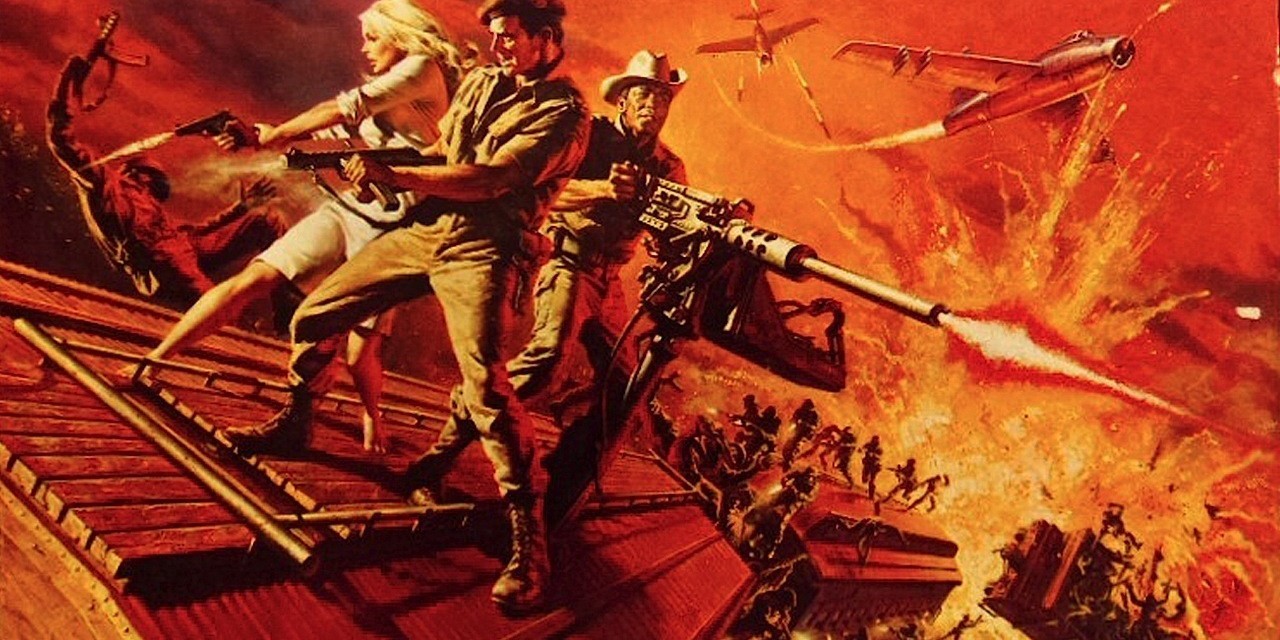
Poster for DARK OF THE SUN

DARK OF THE SUN

(1968, USA/UK, Jack Cardiff)

During the Congo Crisis, a band of mercenaries is contracted to retrieve a cache of high-grade diamonds from deep in rebel territory and escort them back to a besieged port. Led by the hardened and morally conflicted Bruce Curry, the group’s mission fractures under the weight of exhaustion, fear, and competing agendas, forcing brutal choices at every turn. As alliances shift and the landscape becomes increasingly hostile, the expedition transforms from a strategic operation into a visceral struggle for survival.

Adapted from Wilbur Smith’s adventure novel, Dark of the Sun exemplifies late-1960s war cinema that eschews conventional heroism in favour of a grittier, more ambiguous outlook. Jack Cardiff’s direction foregrounds the chaos of conflict and the moral murk of extractive violence, situating the narrative within broader critiques of imperial ambition and human frailty.
Runtime: 110 mins
Certificate: 15
Saturday 7.2
Doors 3.30pm
Film 4pm
Digital
Book here
Poster for THE CAT

THE CAT

(1992, Hong Kong, Ngai Choi Lam)

An alien feline with extraordinary abilities arrives on Earth accompanied by its humanoid guardian, only to become entangled in a conflict with a parasitic extradimensional entity intent on consuming everything in its path. A sceptical police officer, initially baffled by a series of bizarre incidents, is drawn into the orbit of these interplanetary fugitives as the creature’s presence triggers escalating confrontations that blur the line between science fiction, horror, and slapstick absurdism.

Positioned within the tail end of Hong Kong’s wild genre-blending boom, The Cat fuses martial-arts choreography, creature effects, and eccentric comedy into a singular hybrid. Ngai Choi Lam’s direction leans into maximalist invention — elastic tone, kinetic set-pieces, and practical effects that oscillate between the grotesque and the playful — producing a film that embodies the anarchic energy of early-1990s Hong Kong cinema at its most unclassifiable.
Runtime: 82 mins
Certificate: 18
Saturday 7.2
Doors 6pm
Film 6.30pm
Digital
Sold Out
Poster for DEATHDREAM

DEATHDREAM

(1974, USA, Bob Clark)

After surviving a near-fatal ambush in Vietnam, Mark returns home to his family — but he’s not quite the same. Though alive in body, he manifests symptoms that disturb his loved ones: a pallid complexion, bullet wounds that won’t heal, a craving for raw meat, and an eerie inability to feel pain. As his behaviour grows increasingly erratic, the boundary between soldier and revenant blurs, forcing his family to confront a presence that seems alive only in the grotesque sense.

A brooding fusion of war trauma narrative and supernatural horror, Death Dream — also released under the title Dead of Night — channels the cultural anxieties of the post-Vietnam era into a slow-burn tale of dislocation, guilt, and corporeal unsettlement. Clark’s restrained direction amplifies the inevitability of decay and moral dissolution, making the film a compelling reflection on loss, reintegration, and the psychological residues of violence.
Runtime: 87 mins
Certificate: 18
Saturday 7.2
Doors 8.20pm
Film 8.50pm
Digital
Book here
Poster for ACCION MUTANTE

ACCION MUTANTE

(1993, Spain, Álex de la Iglesia)

**BETTER THAN NOTHING presents:
**
In a near-future dystopia ruled by the beautiful and wealthy, a militant cell of physically disabled outcasts — the self-declared “Acción Mutante” — wages a chaotic campaign of kidnappings and bombings against a society that treats them as refuse. Their latest operation, the abduction of an heiress during her wedding, quickly collapses into infighting, incompetence, and improvised brutality. As their getaway spirals into deep space and internal loyalties fracture, the group’s revolutionary rhetoric dissolves into an anarchic tug-of-war between ideology, ego, and sheer misadventure.

A debut feature that helped define Spain’s early-1990s splatter-satire wave, Acción Mutante blends grotesque prosthetics, dystopian world-building, and slapstick ultraviolence into a singular hybrid. De la Iglesia deploys genre exaggeration as social commentary, skewering class hierarchies, beauty culture, and media spectacle while embracing the unruly excesses of low-budget science fiction. The result is a brash, abrasive, and darkly comic portrait of rebellion gone terminally off its axis.
Runtime: 97 mins
Certificate: 18
Sunday 8.2
Doors 4.30pm
Film 5pm
Digital
Book here
Poster for PERDITA DURANGO

PERDITA DURANGO

(1997, Spain, Álex de la Iglesia)

BETTER THAN NOTHING presents:

Perdita Durango (Rosie Perez) joins forces with Romeo Dolorosa (Javier Bardem), a swaggering hustler and self-styled Santería priest, for a violent cross-border crime spree that veers from opportunistic robbery into kidnapping and ritualised spectacle. Their abduction of two suburban teenagers draws the attention of a weary federal agent (James Gandolfini), whose pursuit intersects with rival traffickers and escalating internal chaos. As the pair’s schemes unravel, the film charts a landscape where bravado, occult theatrics, and sheer contingency fuse into a volatile trajectory.

Adapted from Barry Gifford’s novel, Perdita Durango operates within a transnational exploitation framework, merging road-movie drift with satirical noir and eruptions of hyperbolic violence. De la Iglesia’s direction leans into tonal collision, while Perez and Bardem anchor the narrative with performances that oscillate between charisma, menace, and darkly comic unpredictability.
Runtime: 126 mins
Certificate: 18
Sunday 8.2
Doors 7pm
Film 7.30pm
Digital
Book here
Poster for PINK FLAMINGOS

PINK FLAMINGOS

(1972, USA, John Waters)

Divine, self-proclaimed “filthiest person alive,” lives in a trailer on the outskirts of Baltimore with her family of fellow outsiders, only to find her title challenged by a bourgeois criminal couple who aspire to surpass her notoriety through kidnapping, black-market baby trafficking, and assorted degradations. A petty rivalry escalates into a gaudy feud of escalating provocations, culminating in a showdown that gleefully obliterates the boundaries of taste, decorum, and cinematic propriety.

Often cited as the apex of early trash cinema, Pink Flamingos blends shock tactics, suburban grotesquerie, and deadpan anarchic humour to produce a deliberately abrasive affront to mainstream sensibilities. Waters deploys low-budget aesthetics and transgressive set-pieces not merely for provocation but as a pointed satire of American hypocrisy — a carnival of filth that simultaneously critiques and revels in its own outrageous excess.
Runtime: 93 mins
Certificate: 18
Monday 9.2
Doors 6pm
Film 6.30pm
Digital
Sold Out
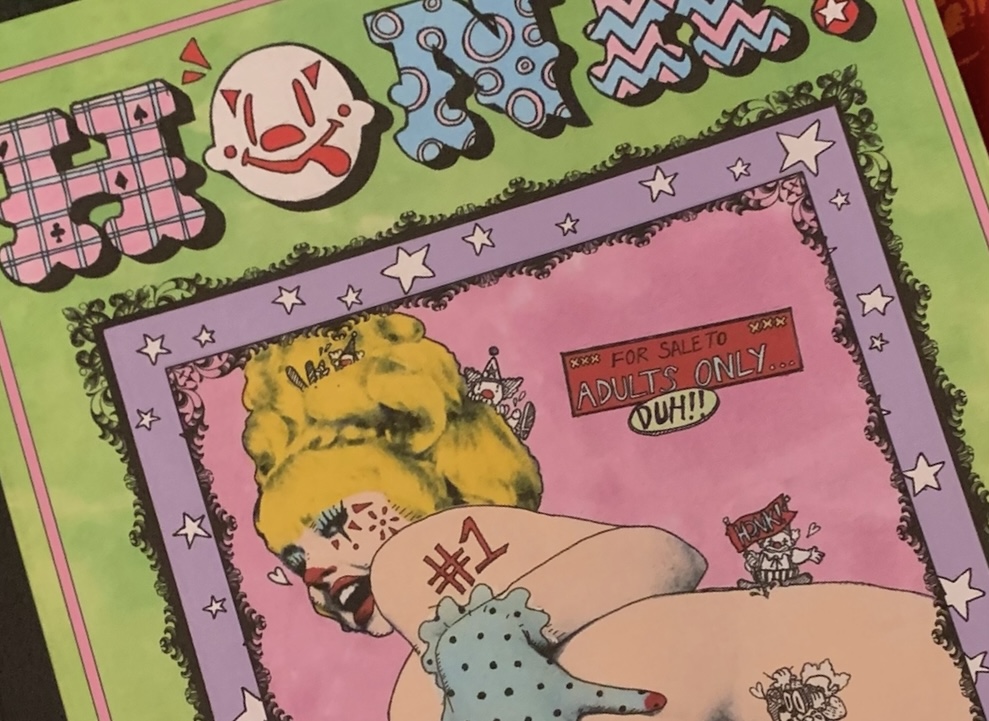
Poster for HONK! ADULT MAGAZINE PRESENTS: A NIGHT AT THE PEEP SHOW!

HONK! ADULT MAGAZINE PRESENTS: A NIGHT AT THE PEEP SHOW!

See the best of HONK!’s archive of 8mm hardcore loops from golden age of porn - digitised and restored by the curators and presented with original musical scores from a variety of perverted noise musicians. Witness good triumph over evil in BATMAN AND ROBIN VS DICKNOSE, a young Jamie Gillis and Serena in bisexual scene THE BIRTHDAY PARTY, and even find out what’s given SON OF QUAZIMODO the “hump”… and MUCH MORE!!!

HONK! Adult Magazine is created by a husband and wife team a.k.a. GREASY CINEMA, who collect and preserve adult media - in print and on film - curating the weirdest and wildest of the absurd and obscure for the world to see. HONK! Adult Magazine combines vintage and contemporary treasures to celebrate how freakish humanity can be.
Runtime: 80 mins
Certificate: 18
Monday 9.2
Doors 8.30pm
Film 9pm
Digital
Sold Out
Poster for CANNIBAL MAN

CANNIBAL MAN

(1972, Spain, Eloy de la Iglesia)

A slaughterhouse worker accidentally kills a taxi driver during a late-night altercation, then compounds the incident with a series of increasingly desperate cover-up murders as friends, co-workers, and authorities draw closer to the truth. Confined to his small apartment on the outskirts of Madrid, he struggles to maintain normality while disposing of bodies through the industrial system that defines his daily labour. As paranoia and isolation tighten around him, the distinction between survival, guilt, and compulsion becomes progressively unstable.

Positioned within the early-1970s wave of Spanish exploitation cinema produced under the shadow of Franco-era censorship, Cannibal Man (original title: La Semana del Asesino) folds social critique into its grim narrative. De la Iglesia maps urban expansion, working-class precarity, and authoritarian pressure onto a slow-burn psychological descent, favouring atmosphere and social context over sensationalism. The result is a politically charged character study that uses genre conventions to expose the contradictions and anxieties of its historical moment.
Runtime: 98 mins
Certificate: 18
Tuesday 10.2
Doors 6pm
Film 6.30pm
Digital
Book here
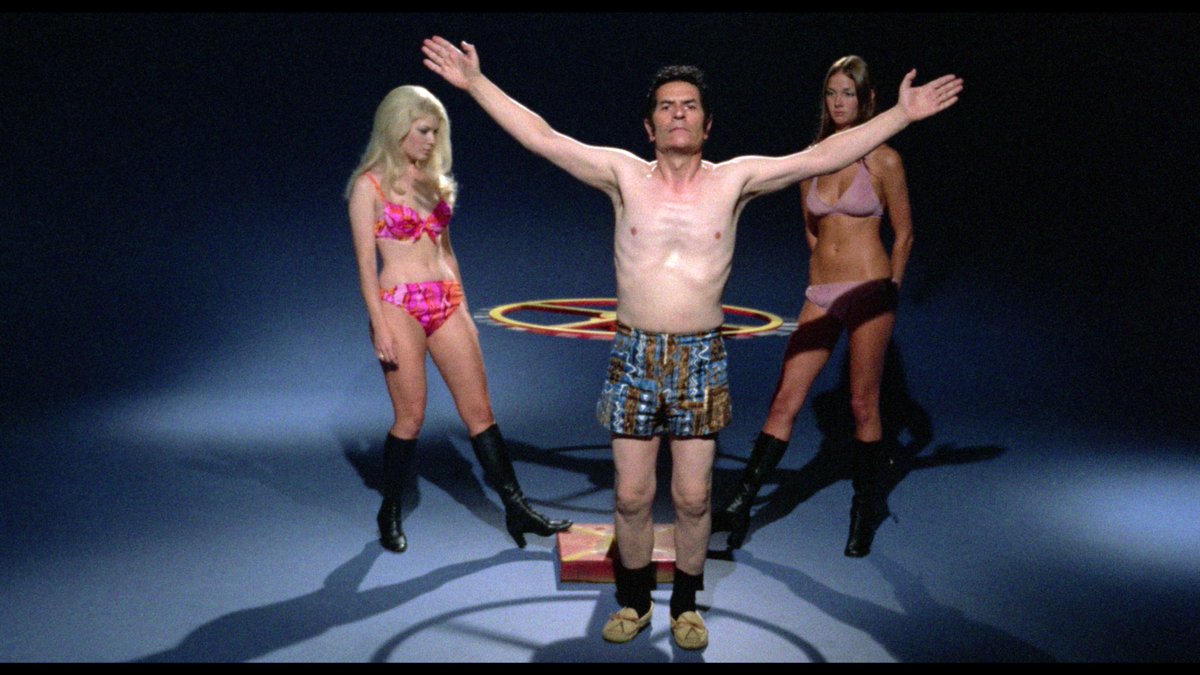
Poster for THE HOLY MOUNTAIN

THE HOLY MOUNTAIN

(1973, Mexico/USA, Alejandro Jodorowsky)

In an unnamed, fever-dream metropolis, a Christlike thief is recruited by an enigmatic alchemist who gathers a group of wealthy elites — each representing a planet and a vice — to undergo ritual purification. Their quest leads to a remote mountain where they hope to overthrow the immortals who rule the world’s illusions. What begins as a fragmented pilgrimage through consumerism, militarism, and spiritual commodification mutates into a series of allegorical tableaux that destabilise narrative, identity, and the very premise of transcendence.

A landmark of countercultural cinema, The Holy Mountain fuses surrealist theatre, occult symbology, and political satire into a deliberately overwhelming sensory design. Jodorowsky uses ritualised staging, vivid colour choreography, and confrontational imagery to interrogate systems of belief and authority, creating a film that operates simultaneously as esoteric initiation, anti-capitalist critique, and self-reflexive provocation.
Runtime: 114 mins
Certificate: 18
Tuesday 10.2
Doors 8.20pm
Film 8.50pm
Digital
Sold Out
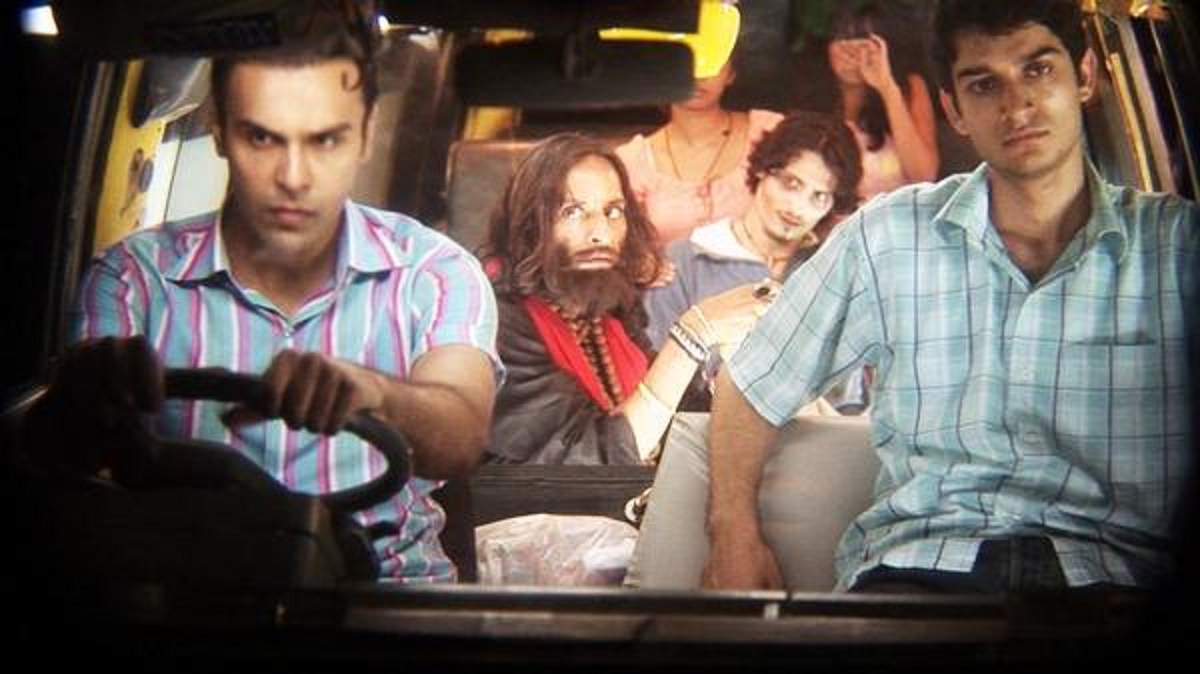
Poster for HELL'S GROUND (ZIBANKHANA)

HELL'S GROUND (ZIBANKHANA)

(2007, Pakistan, Omar Khan)

MONDO MACABRO presents:

A group of Karachi teenagers sneaks away for an overnight concert trip, only to find their van breaking down on a remote rural road. As they push deeper into the countryside, they encounter contaminated water, ominous local warnings, and a masked killer wielding a spiked mace. What begins as a familiar detour into back-road peril expands into a collision between urban youth culture and folkloric dread, where each attempt at escape only leads them further into an environment shaped by decay, superstition, and unseen contagion.

Often cited as Pakistan’s first modern gore film, Hell’s Ground blends regional folklore, slasher conventions, and satirical commentary on generational divides. Shot on location with a mix of handheld immediacy and stylised nocturnal framing, the film situates its horror in the friction between urban modernity and rural marginality, capturing a moment when Pakistani independent cinema briefly collided with global exploitation aesthetics.
Runtime: 78 mins
Certificate: 18
Wednesday 11.2
Doors 6pm
Film 6:30pm
Digital
Book here
Poster for THE LIVING CORPSE

THE LIVING CORPSE

(1967, Pakistan, Khwaja Sarfraz)

Often referred to as Pakistan’s first horror film, The Living Corpse (Zinda Laash) adapts the classic Dracula narrative into a uniquely South Asian context. A scientist’s experiments with life-and-death boundaries unleash a vampire-like figure on an isolated mansion and its environs, drawing in villagers and a determined local doctor as the night’s dread deepens. The creeping menace fuses gothic atmosphere with moments of unsettling surrealism, punctuated by strikingly incongruous song-and-dance interludes that reflect the region’s cinematic traditions.

Blending horror conventions with expressive genre play, The Living Corpse stands as a singular early example of Pakistani horror cinema. Its homage to Western vampire films is filtered through a lens of regional performance styles and narrative rhythms, producing a work that is both an artifact of its time and a curious outlier in the global horror canon.
Runtime: 103 mins
Certificate: 18
Wednesday 11.2
Doors 8:15pm
Film 8:45
Digital
Book here
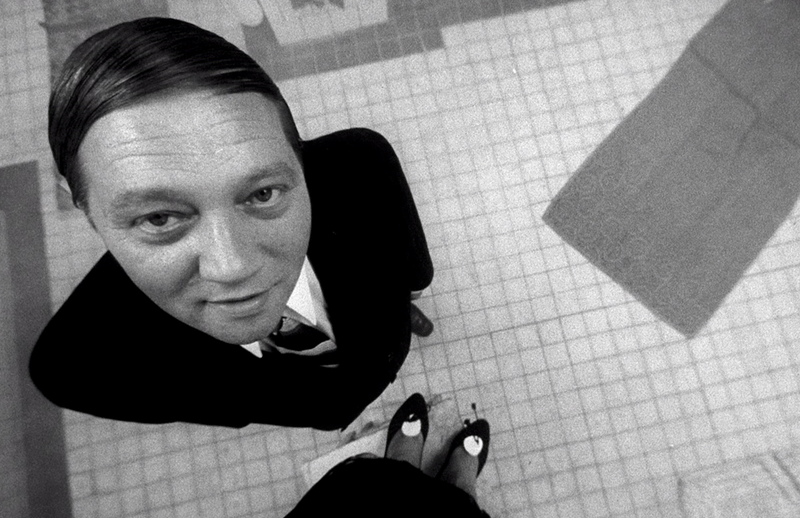
Poster for THE CREMATOR

THE CREMATOR

(1969, Czechoslovakia, Juraj Herz)

Karel, a mild-mannered crematorium worker, becomes increasingly obsessed with the idea of “cleansing” humanity through death, aligning his private rituals with the rise of Nazi ideology. As his moral compass erodes, he descends into madness, turning the people around him into victims of his delusional sense of duty.


A darkly comic and chilling horror, The Cremator blends psychological terror with surreal satire, offering a haunting meditation on complicity, obsession, and the banality of evil.
Runtime: 101 mins
Certificate: 18
Thursday 12.2
Doors 6pm
Film 6:30pm
Digital
Book here
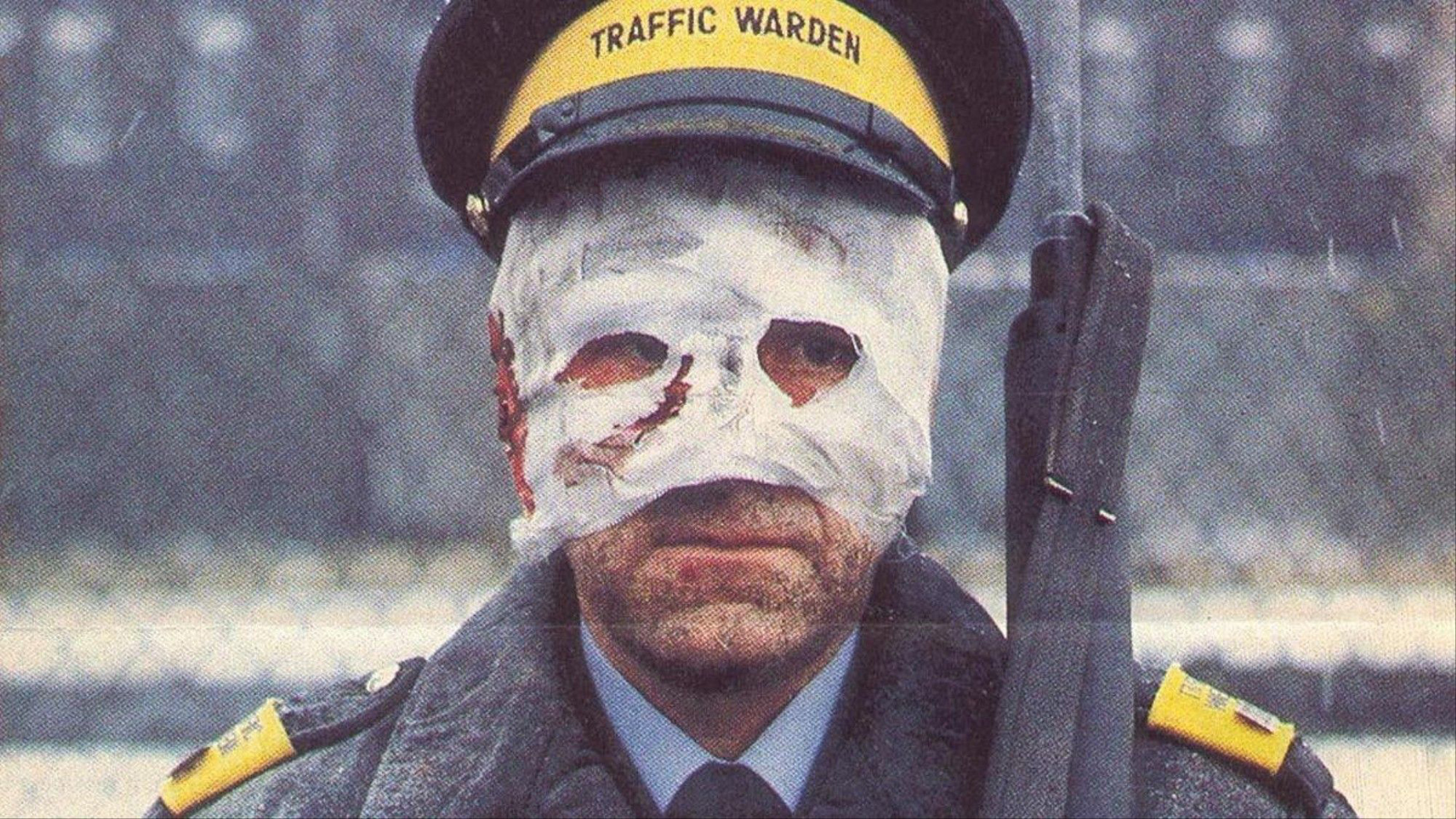
Poster for THREADS

THREADS

(1984, UK, Mick Jackson)

Set in Sheffield during escalating geopolitical tensions, the film traces the lives of two working-class families as international brinkmanship gives way to nuclear exchange. In the aftermath, domestic routines collapse into chaos: infrastructure fails, governance disintegrates, and survivors confront starvation, radiation sickness, and the loss of social memory. The narrative’s documentary-styled progression — from pre-strike normality to long-term societal regression — renders the catastrophe with stark procedural detail.

Produced for the BBC and grounded in contemporary civil-defence research, Threads remains one of the most uncompromising depictions of nuclear warfare ever broadcast. Its quasi-verité approach, bleak temporal scope, and emphasis on institutional breakdown transform speculative fiction into a forensic study of vulnerability, capturing both the fragility of modern systems and the human cost of political miscalculation.
Runtime: 112 mins
Certificate: 18
Thursday 12.2
Doors 8:15
Film 8:45pm
Digital
Sold Out
Poster for CLIFFORD

CLIFFORD

(1994, USA, Paul Flaherty)

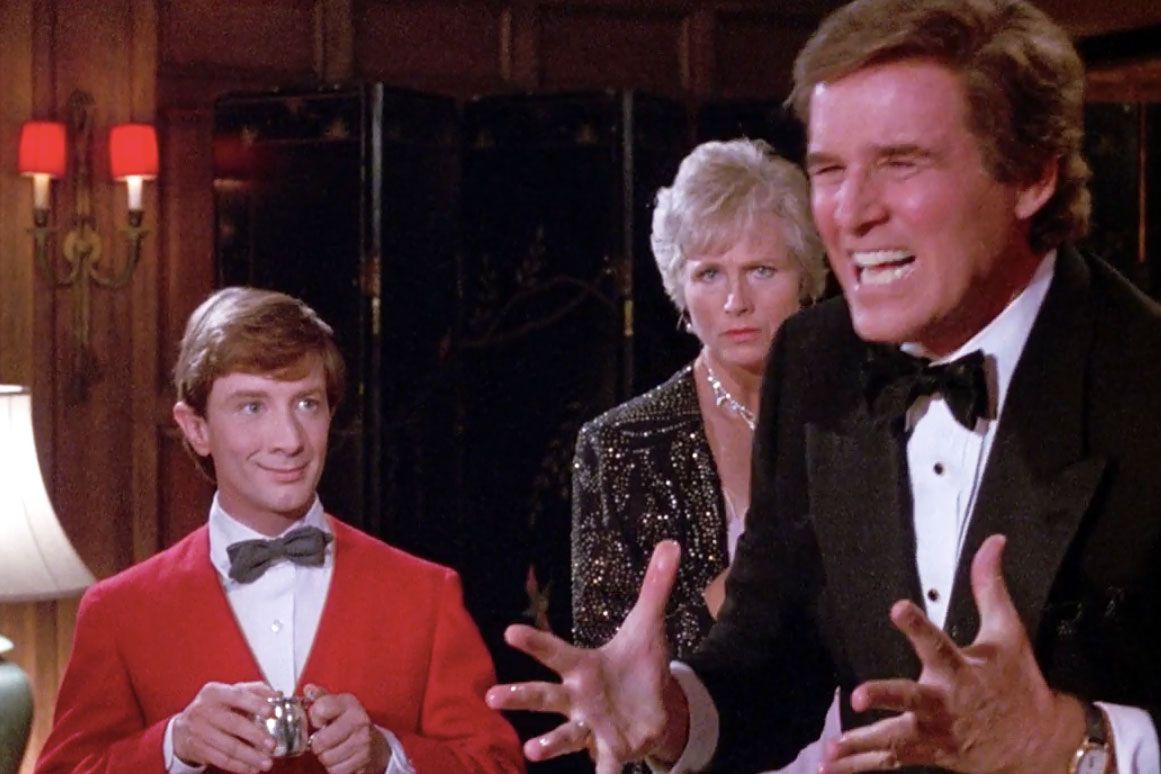
Ten-year-old Clifford — played with deliberately unhinged, adult-inhabiting energy by Martin Short — is left in the care of his uncle (Charles Grodin), an architect whose carefully ordered life begins to unravel under the boy’s escalating mischief. What starts as a simple attempt to entertain a visiting relative spirals into a sequence of deranged schemes, emotional manipulations, and catastrophic set-pieces, all centred on Clifford’s obsessive desire to visit a dinosaur-themed amusement park.

Operating at the intersection of family comedy and surreal behavioural satire, Clifford has gained its cult reputation through the sheer oddity of its central performance, where Short’s child persona becomes a destabilising force within an otherwise conventional domestic narrative. The result is a film that oscillates between absurdity and deadpan discomfort, revealing a comedic tone far stranger and more anarchic than its studio packaging suggests.
Runtime: 89 mins
Certificate: PG
Friday 13.2
Doors 6pm
Film 6:30pm
Digital
Book here
Poster for MYSTERY MOVIE

MYSTERY MOVIE

Not for the easily offended, and strictly programmed for adult audiences only - our mystery films are eye-popping forays into the bold and bonkers world of psychotronic cinema. Expect the unacceptable.
Certificate: 18
Friday 13.2
Doors 8:15pm
Film 8:45pm
Digital
Book here
Poster for GUN CRAZY

GUN CRAZY

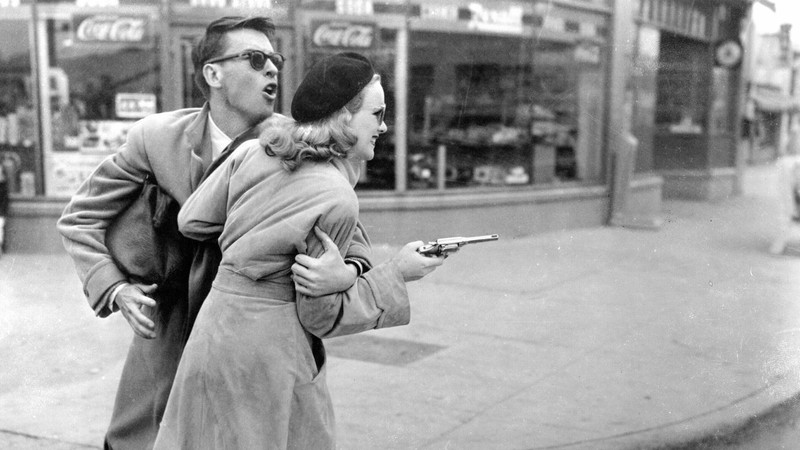
(1950, USA, Joseph H. Lewis)

An aimless young man, driven by a singular obsession with firearms, crosses paths with a charismatic woman whose own restless impulses make her ripe for danger. United by a mutual fascination with guns, they embark on a crime spree that escalates from small-time heists to high-stakes robbery, their volatile chemistry fuelling increasingly reckless violence. As law enforcement closes in, their seductive bond — forged in adrenaline and transgression — becomes both catalyst and undoing.

A landmark of film noir and crime cinema, Gun Crazy combines tight, kinetic direction with a psychological intensity that interrogates obsession, agency, and moral collapse. Joseph H. Lewis’s inventive use of long takes and dynamic camerawork heightens both the film’s romantic fatalism and its mounting tension, crafting a timeless tale of lovers on the edge of ruin.
Runtime: 84 mins
Certificate: 15
Saturday 14.2
Doors 3pm
Film 3:30pm
Digital
Book here
Poster for SINGAPORE SLING

SINGAPORE SLING

(1990, Greece, Nikos Nikolaidis)

A wounded private detective, searching for a missing woman, stumbles into the decaying estate of a mother and daughter whose lives revolve around sadistic ritual, role-play, and psychological domination. Captured and subjected to their shifting fantasies, he becomes an unwilling participant in a closed-loop world where grief, desire, and violence merge into a delirious theatricality. As identities blur and power dynamics mutate, the house transforms into a claustrophobic arena of obsession and irreversible degradation.

A defining entry in the extreme European underground of the late 1980s and early 1990s, Singapore Sling fuses film noir tropes with surrealist melodrama and confrontational exploitation aesthetics. Nikolaidis deploys high-contrast black-and-white cinematography, mannered performances, and deliberately disorienting tonal shifts to create a work that is both perversely stylised and defiantly abrasive — a meditation on mourning and madness rendered through operatic excess.
Runtime: 111 mins
Certificate: 18
Saturday 14.2
Doors 5:30pm
Film 6pm
Digital
Book here
Poster for CAFE FLESH

CAFE FLESH

(1982, USA, Stephen Sayadian)

In a post-apocalyptic world where most survivors are “sex negatives,” human intimacy has become a stage act performed for the immune few. At the surreal nightclub Café Flesh, performers cycle through bizarre, dreamlike routines while the uninfected audience watches with hungry detachment. When a man discovers he might not be “negative” after all, the revelation threatens the uneasy balance of desire and despair holding the place together.


A cult landmark of punk-infused erotica and midnight-movie surrealism, Café Flesh blends cabaret spectacle with dystopian melancholy. The result is a strange, intoxicating vision of lust, alienation, and performance at the end of the world.
Runtime: 75 mins
Certificate: 18
Saturday 14.2
Doors 8:15pm
Film 8:45pm
Digital
Book here
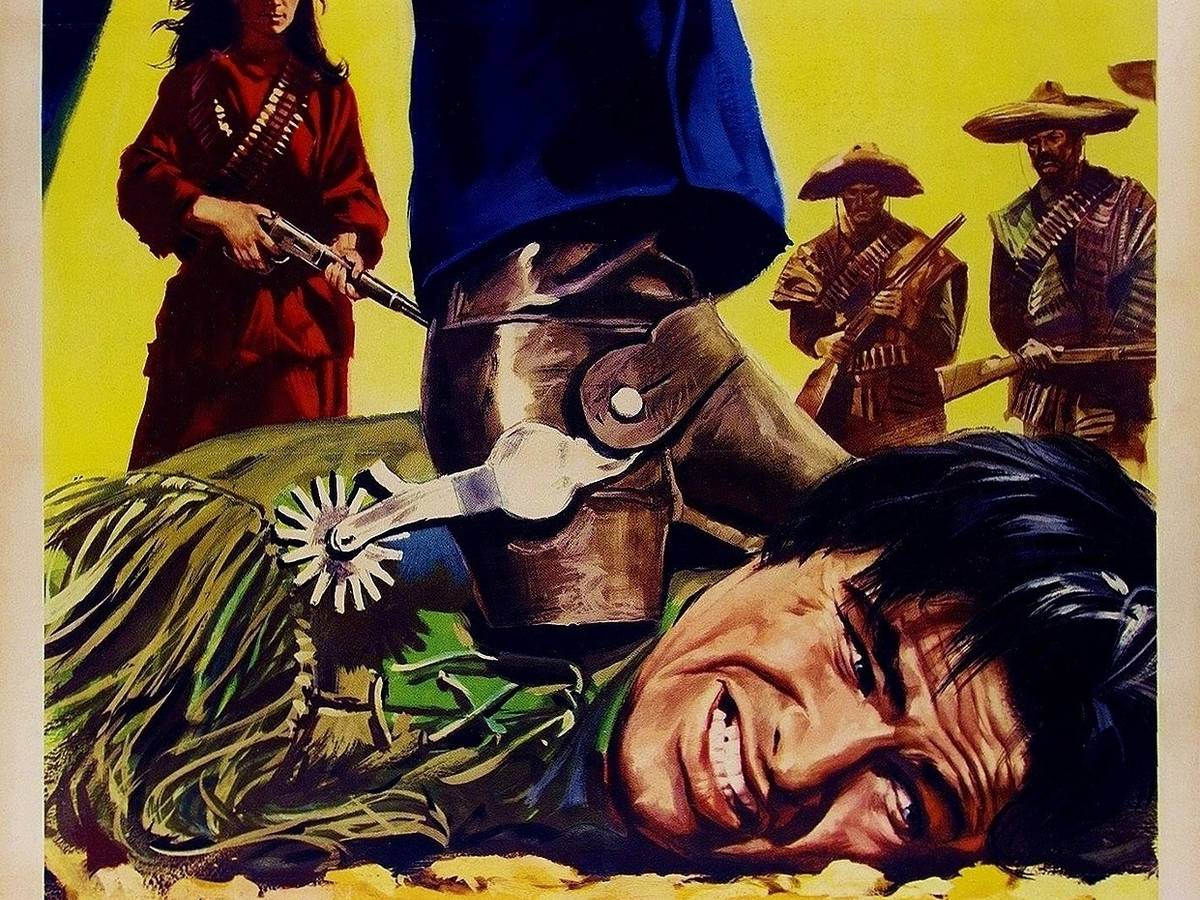
Poster for NAVAJO JOE

NAVAJO JOE

(1966, Italy/Spain, Sergio Corbucci)

After a gang of marauders massacres his tribe and desecrates their land, a lone warrior named Navajo Joe (Burt Reynolds) vows to track down the perpetrators across a frontier defined by greed, violence, and shifting alliances. Hired by a corrupt town to combat the very outlaws responsible for his people’s destruction, Joe becomes both a weapon and a reminder of the hypocrisies embedded in the settler economy. As the conflict intensifies, the film charts a path of brutal reprisals and uneasy transactions, where every act of resistance is shadowed by exploitation.

Positioned within the mid-1960s explosion of Italian westerns, Navajo Joe blends Corbucci’s flair for stark landscapes and ruthless pacing with a pointed critique of frontier mythmaking. Ennio Morricone’s insistent score underscores the film’s tension between Indigenous identity and genre convention, resulting in a western that is both operatically stylised and structurally confrontational — a story where revenge intersects with the broader violence of colonial expansion.
Runtime: 93 mins
Certificate: 18
Sunday 15.2
Doors 4:30pm
Film 5pm
Digital
Book here
Poster for DEATH RIDES A HORSE

DEATH RIDES A HORSE

(1967, Italy/Spain, Giulio Petroni)

As a child, Bill Meceita witnesses the massacre of his family at the hands of four outlaws, each marked by a distinctive trait burned into his memory. Years later, now an expert gunman, he sets out on a methodical hunt for those responsible. His vengeance becomes entangled with that of Ryan, an ageing gunslinger freshly released from prison and harbouring his own grievances against the same men. Their uneasy alliance — part mentorship, part rivalry — unfolds across a frontier shaped by shifting loyalties and buried histories.

A standout of the late-1960s Italian western cycle, Death Rides a Horse combines Petroni’s precise staging with an unusually introspective approach to revenge. Ennio Morricone’s propulsive score and Carlo Carlini’s spare, expressive cinematography heighten the film’s interplay between ritualised violence and moral ambiguity. The result is a taut, atmospheric reworking of genre conventions, where vengeance is less a path to justice than a circular reckoning with the past.
Runtime: 114 mins
Certificate: 15
Sunday 15.2
Doors 7pm
Film 7:30pm
Digital
Book here
Poster for WAKE IN FRIGHT

WAKE IN FRIGHT

(1971, Australia, Ted Kotcheff)

A young schoolteacher descends into personal moral degradation after finding himself stranded in a brutal, menacing town in outback Australia.

A descent into a uniquely Australian hell, Kotcheff’s outback nightmare traps its protagonist in a cycle of drink, violence, and ritualised masculinity. The film’s oppressive heat and unbroken tension evoke a place where social norms evaporate under the sun.
Runtime: 114 mins
Certificate: 18
Monday 16.2
Doors 6pm
Film 6:30pm
Digital
Book here
Poster for DEAD END DRIVE-IN

DEAD END DRIVE-IN

(1986, Australia, Brian Trenchard-Smith)

In a near-future Australia beset by economic collapse and rising social unrest, a teenage car enthusiast and his girlfriend take a late-night trip to a rundown drive-in theatre — only to discover it doubles as a government-sanctioned detention camp for the unemployed, the dispossessed, and anyone deemed socially expendable. When their vehicle is sabotaged and escape routes are sealed, the drive-in’s neon-lit sprawl becomes a closed ecosystem where boredom, tribalism, and manufactured scarcity fuel escalating tensions. As factions form and complacency sets in, one question remains: who actually wants to get out?

A key entry in Australia’s mid-80s exploitation cycle, Dead End Drive-In merges dystopian satire with action-punk aesthetics, framing the drive-in as a microcosm of containment, consumer culture, and state control. Trenchard-Smith’s kinetic direction, stylised colour palette, and sharply cynical tone transform the film into a parable of apathy and coercion, where the erosion of freedom arrives not through force alone but through the seductive comforts of enforced stagnation.
Runtime: 88 mins
Certificate: 18
Monday 16.2
Doors 8:15pm
Film 8:45pm
Digital
Book here
Poster for LAST NIGHT AT THE ALAMO

LAST NIGHT AT THE ALAMO

(1983, USA, Eagle Pennell)

On the eve of demolition, a dilapidated Houston bar becomes a final refuge for its regulars — oil-field workers, drifters, would-be legends, and men clinging to fading identities. Over the course of a single night, they argue, boast, reminisce, and unravel under the neon hum, trying to preserve a space that once gave them purpose. As closing time approaches, the bar’s mythology collapses into the reality of broken plans, economic precarity, and the limits of nostalgia.

A cornerstone of early-1980s regional American independent cinema, Last Night at the Alamo captures the disintegration of both a physical space and the masculine fantasies that once sustained it. Pennell’s unvarnished direction emphasises performance, environment, and lived-in detail, creating a portrait of working-class Texas on the cusp of cultural shift — where the vanishing of a neighbourhood bar marks the end of a world its patrons can no longer hold together.
Runtime: 84 mins
Certificate: 15
Tuesday 17.2
Doors 6pm
Film 6:30pm
Digital
Book here
Poster for THE DECLINE OF WESTERN CIVILISATION

THE DECLINE OF WESTERN CIVILISATION

(1981, USA, Penelope Spheeris)

PUNK AT 50 presents:

Filmed in the clubs, rehearsal rooms, and cramped apartments of late-1970s Los Angeles, Spheeris’s documentary embeds itself within the city’s punk underground at a moment of raw volatility. Interviews with musicians, fans, and fringe figures intertwine with blistering live performances by Black Flag, X, the Germs, Fear, and others. Through irritation, humour, nihilism, and defiance, the film captures a subculture wrestling with alienation, economic precarity, and a sense of improvisational community built from noise and shared discontent.

A foundational work of music documentary, The Decline of Western Civilization rejects nostalgia in favour of immediacy, observing a scene before mythology could calcify around it. Spheeris’s direct, unadorned approach foregrounds environment and attitude over narrative, offering a sociological snapshot of Los Angeles during a cultural rupture. The result is a stark, unvarnished record of a movement defined by energy, instability, and the refusal to conform.
Runtime: 100 mins
Certificate: 18
Tuesday 17.2
Doors 8:15pm
Film 8:45pm
Digital
Book here
Poster for THE STREET FIGHTER

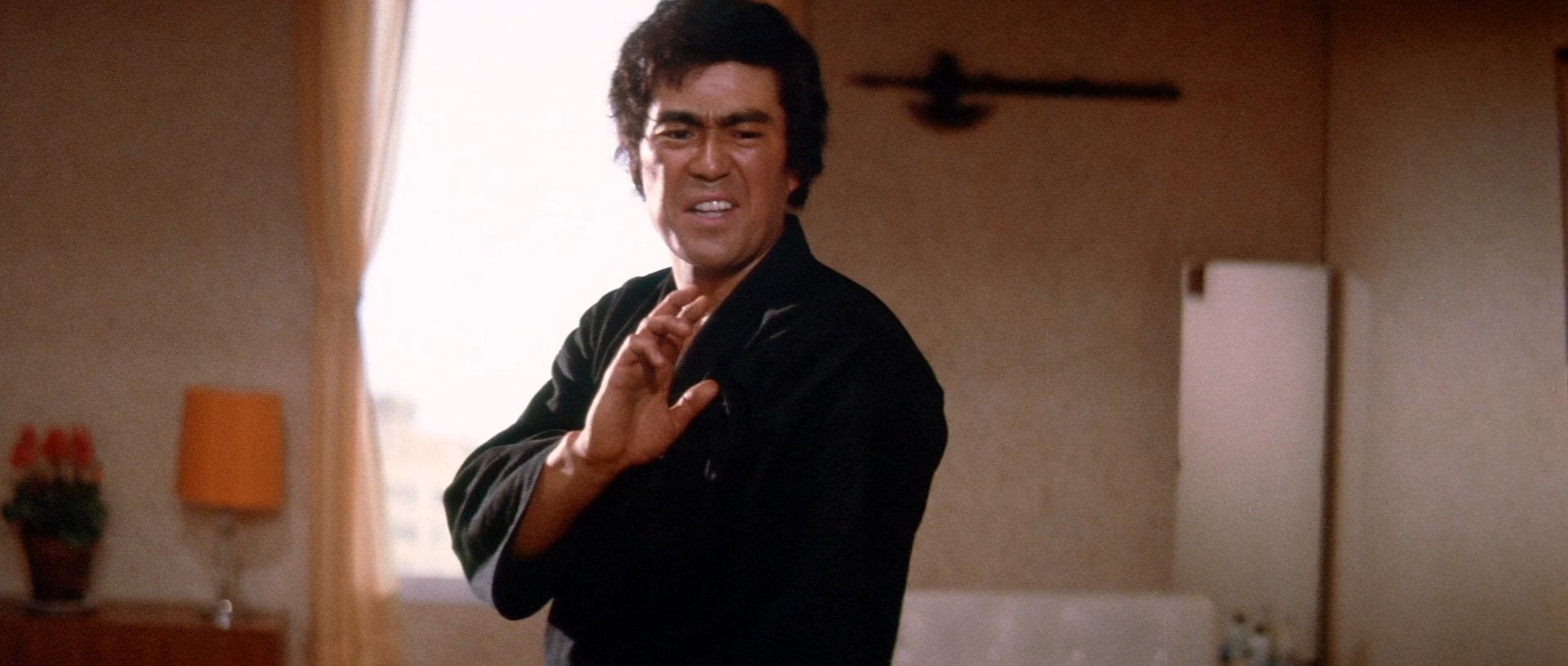
THE STREET FIGHTER

(1974, Japan, Shigehiro Ozawa)

Terry Tsurugi (Sonny Chiba), a fiercely independent mercenary with a lethal blend of martial-arts prowess and combustible temper, is hired to protect the daughter of a recently deceased industrialist. When he discovers the Yakuza’s plan to abduct her and seize control of the family fortune, Terry turns against his former employers, igniting a violent turf war. His intervention triggers a chain of betrayals, ambushes, and bone-shattering confrontations that push him to the limits of loyalty, morality, and physical endurance.

A cornerstone of 1970s Japanese action cinema, The Street Fighter is defined by Chiba’s ferocious physicality and the film’s uncompromising approach to on-screen violence — a factor that earned it an historically rare X-rating in the United States. Ozawa’s direction favours speed, impact, and raw intensity, constructing a narrative where honour is fluid and survival depends on absolute ruthlessness. The result is a brutal, kinetic genre landmark that helped redefine martial-arts cinema for international audiences.
Runtime: 86 mins
Certificate: 18
Wednesday 18.2
Doors 6pm
Film 6:30pm
Digital
Book here
Poster for MISMANTLER

MISMANTLER

(2025, Ireland/UK, Andrew Keogh & Steven Stapleton)

In an indeterminate post-apocalyptic void, a solitary, guttural wanderer known only as the Mismantler traverses scorched landscapes of industrial refuse and decaying detritus, sorting, foraging, and interacting with a host of rust-coloured ruins. There’s no conventional plot or character arc to guide the eye — instead, the film immerses viewers in a stream of consciousness experience where sound, texture, and residual echoes of civilisation become the primary agents of engagement. The Mismantler’s world — half hallucination, half dystopian ruin — is populated by skeletal plains, junk-strewn flats, and fractured psychological terrain that resist narrative anchoring in favour of sensorial immersion.

Emerging from the fringes of experimental cinema, Mismantler defies conventional classification, operating more as prolonged audiovisual ritual than a traditional film. With a score by Nurse With Wound’s Steven Stapleton and an aesthetic drawn from industrial drone, musique concrète, and visceral collage, the piece channels horror and unease through ambience, disjunction, and frayed perception rather than explicit spectacle. Its relentless juxtaposition of texture and tone places it in the lineage of cinematic weirdness that privileges affect over narrative coherence, crafting an experience as disorienting as it is hypnotic.
Runtime: 79 mins
Certificate: 18
Wednesday 18.2
Doors 8:15pm
Film 8:45pm
Digital
Book here
Poster for SCARLET WARNING 666

SCARLET WARNING 666

(1974, USA, Palmer Rockey)

A long-lost oddity of underground cinema, Scarlet Warning 666 stars cult auteur Palmer Rockey in multiple roles — including twin brothers trapped in an unfathomable tale of Satanic skullduggery, bizarre occult rituals, and “demonic assassination” on a country estate. The film’s narrative logic dissolves into a collage of ritual scenes, disjointed character arcs, and surreal confrontations with the infernal, as the characters grapple with forces they barely comprehend in an increasingly chaotic rural nightmare.

A notorious fixture in outsider film lore, Scarlet Warning 666 was restored after decades of obscurity and is celebrated (and derided) as a bewildering example of independent psychedelia and eccentric ambition. Palmer Rockey reportedly served not only as the film’s lead but also took on dozens of roles behind the camera in a project that defies conventional storytelling and embraces its own idiosyncratic creation mythology — alternately dismissed as “the worst movie ever made” and cherished as a cult curio.
Runtime: 83 mins
Certificate: 18
Thursday 19.2
Doors 6pm
Film 6:30pm
Digital
Book here
Poster for IMPULSE

IMPULSE

(1974, USA, William Grefé)

William Shatner delivers one of the strangest performances of his career as Matt Stone, a grifter and small-time gigolo whose polished charm conceals a deep, volatile psychosis. Moving from town to town, he preys on wealthy widows with a mix of seduction, manipulation, and escalating brutality. When he sets his sights on a vulnerable mother and her suspicious young daughter, the façade begins to slip, revealing a man governed by impulse, paranoia, and sudden eruptions of violence. As his behaviour grows increasingly erratic, the suburban setting becomes a pressure cooker primed for collapse.

A regional exploitation film shot in Florida, Impulse drifts between psychological thriller, lurid melodrama, and eccentric character study. Grefé’s direction foregrounds Shatner’s fevered performance — equal parts theatrical bravado and unnerving instability — while the film’s low-budget texture amplifies its atmosphere of mounting dread. The result is a peculiar, off-kilter artifact of 1970s American grindhouse cinema, where menace and camp intersect in unpredictable ways.

William Shatner audibly farts in this movie.
Runtime: 82 mins
Certificate: 18
Thursday 19.2
Doors 8:15pm
Film 8:45pm
Digital
Book here
Poster for I DRINK YOUR BLOOD

I DRINK YOUR BLOOD

(1970, USA, David E. Durston)

After a Satanic hippie cult terrorises a rural town and assaults a local family, a young boy retaliates by injecting rabies-infected animal blood into meat pies the group eagerly consumes. What begins as an act of impulsive vengeance triggers an escalating outbreak of uncontrollable violence, delirium, and psychosis, as the cult members — and those who cross their path — succumb to the disease. The town’s isolation becomes a crucible of panic where social order collapses under the pressure of infection and hysteria.

Produced at the height of the American exploitation boom, I Drink Your Blood fuses countercultural anxieties with shock-driven horror, reframing late-1960s generational conflict as a rabid plague narrative. Durston’s approach favours intensity over restraint, creating a feverish mix of grindhouse mayhem, regional detail, and abrasive sociopolitical subtext. The result remains a key example of early 1970s drive-in extremity — chaotic, confrontational, and unmistakably of its moment.
Runtime: 83 mins
Certificate: 18
Friday 20.2
Doors 6pm
Film 6:30pm
Digital
Book here
Poster for MYSTERY MOVIE

MYSTERY MOVIE

Not for the easily offended, and strictly programmed for adult audiences only - our mystery films are eye-popping forays into the bold and bonkers world of psychotronic cinema. Expect the unacceptable.
Certificate: 18
Friday 20.2
Doors 8:15pm
Film 8:45pm
Digital
Book here
Poster for MANDINGO

MANDINGO

(1975, USA, Richard Fleischer)

Set on a decaying Louisiana plantation in the antebellum South, the film centres on the Maxwell family, whose wealth and status depend entirely on the exploitation, abuse, and commodification of enslaved people. When the plantation heir (Perry King) enters into a forced marriage while simultaneously coercing an enslaved woman into a sexual relationship, the household fractures under layers of violence, resentment, and hypocrisy. Meanwhile, a prized fighter known as Mede (Ken Norton) is trained, traded, and brutalised as both labour and sport, his life governed by the plantation’s ruthless hierarchies.

Adapted from Kyle Onstott’s controversial novel, Mandingo confronts the brutality of slavery with a starkness unusual for mid-1970s Hollywood cinema. Fleischer’s direction emphasises systemic cruelty rather than melodramatic redemption, exposing the sexual exploitation, racialised violence, and economic rot underpinning plantation mythology. The result is an uncomfortable, confrontational work that strips away romanticised visions of the Old South, presenting a portrait of American history defined by domination, dehumanisation, and the corrosive effects of absolute power.
Runtime: 127 mins
Certificate: 18
Saturday 21.2
Doors 5:30pm
Film 6pm
Digital
Book here
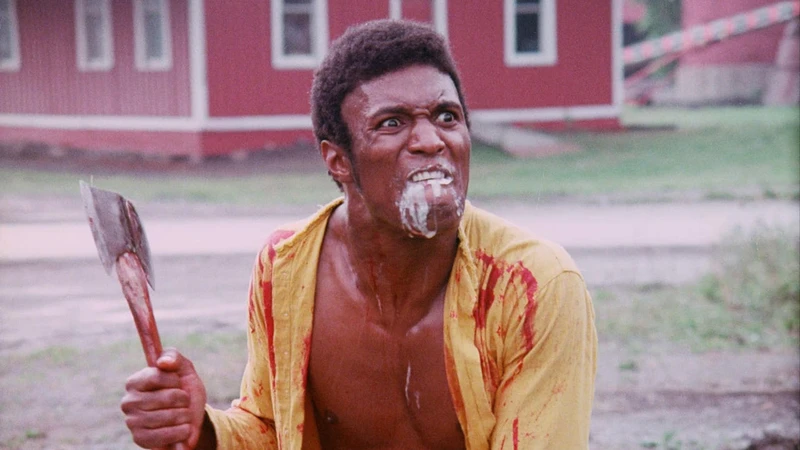
Poster for BONE

BONE

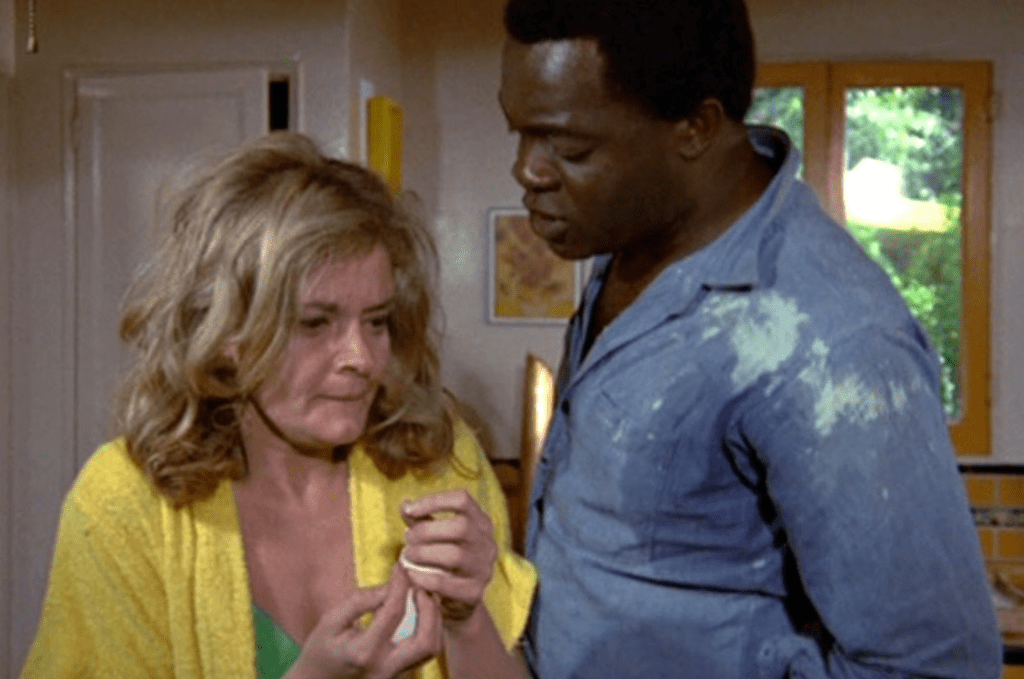
(1972, USA, Larry Cohen)

When a Beverly Hills couple — affluent in appearance but unraveling beneath the surface — discovers an intruder in their backyard, the encounter spirals into a tense, ambiguous standoff. Bone (Yaphet Kotto), the intruder, quickly recognises the fractures in their marriage and exploits them with a mix of menace, insight, and dark humour. What begins as a home-invasion scenario mutates into a psychological negotiation in which power shifts unpredictably, revealing the couple’s anxieties, prejudices, and long-suppressed resentments.

Operating at the intersection of social satire, exploitation cinema, and chamber psychological drama, Bone dismantles the architecture of suburban respectability with Cohen’s characteristic sharpness. The film uses its small cast and contained setting to probe race, class, and the instability of American domestic life in the early 1970s, resulting in a work that is volatile, confrontational, and far more thematically layered than its premise initially suggests.
Runtime: 95 mins
Certificate: 18
Saturday 21.2
Doors 8:30pm
Film 9pm
Digital
Book here
Poster for THE PARALLAX VIEW

THE PARALLAX VIEW

(1974, USA, Alan J. Pakula)

After a political assassination is initially dismissed as the work of a lone gunman, investigative journalist Joe Frady (Warren Beatty) begins to uncover a pattern of suspicious deaths among the witnesses. His pursuit of the truth leads him to the Parallax Corporation — a shadowy organisation recruiting individuals through psychological profiling for purposes that remain deliberately opaque. As Frady infiltrates their ranks, the film shifts into a labyrinth of surveillance, paranoia, and institutional obfuscation where every revelation tightens the noose rather than clarifies the conspiracy.

A defining entry in the 1970s American paranoia cycle, The Parallax View pairs Pakula’s austere direction with Gordon Willis’s sculptural cinematography to create an atmosphere of systemic dread. The film’s infamous indoctrination montage and its critique of corporate-political entanglement underscore a moment when public trust in institutions had eroded dramatically. The result is a chilling, meticulously controlled thriller in which the machinery of power remains both impersonal and implacable — and the lone investigator never stands a chance.
Runtime: 102 mins
Certificate: 15
Sunday 22.2
Doors 4:30pm
Film 5pm
Digital
Book here
Poster for THE KILLING OF AMERICA (ON VHS)

THE KILLING OF AMERICA (ON VHS)

(1981, USA/Japan, Leonard Schrader)

Constructed from police footage, news broadcasts, and crime-scene material, this documentary traces a grim arc of escalating violence in the United States from the late 1960s through the early 1980s. Without narration in the conventional sense, the film relies on chronology and raw audiovisual evidence to map assassinations, mass shootings, serial murders, and civil unrest. The cumulative effect is less a traditional documentary than a forensic collage of a nation fraying under social, political, and psychological strain.

Produced outside the American documentary mainstream, The Killing of America occupies a stark space between investigative reportage and exploitation cinema. Its unfiltered use of real violence confronts viewers with the mechanisms and consequences of social breakdown, while its structure highlights recurring cycles of fear, alienation, and systemic failure. The film remains an unsettling historical document — not merely for its content, but for the way it frames violence as an endemic feature of modern American life rather than a series of isolated events.
Runtime: 95 mins
Certificate: 18
Sunday 22.2
Doors 7pm
Film 7:30pm
VHS
Book here
Poster for THE RUBBER GUN

THE RUBBER GUN

(1977, Canada, Allan Moyle)

Set within Montréal’s fragmented underground, the film follows Steve (Stephen Lack), a small-time drug dealer whose circle of friends, users, and hangers-on drifts through a haze of improvisation, petty schemes, and near-constant volatility. When a young, idealistic community worker begins shadowing him for research, Steve’s carefully maintained balance of deals, favours, and fragile alliances starts to slip. Rival crews, shifting loyalties, and the increasing presence of law enforcement push the scene toward implosion, revealing a subculture defined as much by desperation as by camaraderie.

An early entry in Allan Moyle’s exploration of countercultural enclaves, Rubber Gun blends documentary texture with loose narrative construction, using handheld camerawork and improvised performances to capture the immediacy of street-level drug culture. The film’s raw, unvarnished approach emphasises environment and social context over plot mechanics, presenting a portrait of urban marginality at a moment when Canadian independent cinema was briefly aligned with experimental realism and subcultural observation.
Runtime: 87 mins
Certificate: 18
Monday 23.2
Doors 6pm
Film 6:30pm
Digital
Book here
Poster for LITTLE OTIK + MYSTERY SHORTS

LITTLE OTIK + MYSTERY SHORTS

(2000, Czech Republic, Jan Švankmajer)

From the creator of “Alice” and “Faust” comes a most unusual baby…
When a childless couple learn that they cannot have children, it causes great distress. To ease his wife’s pain, the man finds a piece of root in the backyard, chops it, and varnishes it into the shape of a child. However, the woman takes the root as her baby and starts to pretend that it is real.

A pioneering Czech surrealist filmmaker, known for his unique, tactile stop-motion animation and live-action fusions that blend the mundane with the mystical, Jan Švankmajer presents the modern-day kitchen sink fairy horror tale, which tests the limits of obsessive parenting and failing social contracts. Complemented with several special short films, this night is your ticket to the world of Europe’s greatest weird genius.

A part of the ongoing Euroddity season, introduced by Misha Blahodir.
Runtime: 132 mins
Certificate: 15
Monday 23.2
Doors 8pm
Film 8:30pm
Digital
Book here
Poster for GARBANZO GAS

GARBANZO GAS

(2007, USA, Giuseppe Andrews)

SCOUR CINEMA presents:

In this surreal, ramshackle indie oddity from underground auteur Giuseppe Andrews, a cow (played by Vietnam Ron) improbably wins an all-expenses-paid weekend at a roadside motel — a brief reprieve from the slaughterhouse that quickly devolves into chaos. Here, the bovine meets two broke, drug-addled motel guests plotting to end their lives after a disastrous weekend, only for the situation to become further unhinged when two eccentric spree killers — one driven by the command of a sentient dish towel, the other obeying the voice in a shoe — intersect with their odyssey through absurdity and gore.

Shot and edited in roughly two days as an exercise in DIY gonzo filmmaking, Garbanzo Gas dissolves conventional narrative into a stream of low-budget invention, grotesque humour, and chaotic energy. The film’s bizarre juxtapositions and off-the-wall characters make it less a structured story than a free-wheeling encounter with fringe cinema at its most unpredictable — an anarchic, feverish piece whose existence helped inspire the documentary Giuseppe Makes a Movie.
Runtime: 75 mins
Certificate: 18
Tuesday 24.2
Doors 6pm
Film 6:30pm
Digital
Book here
Poster for GIUSEPPE MAKES A MOVIE

GIUSEPPE MAKES A MOVIE

(2014, USA, Adam Rifkin)

SCOUR CINEMA presents:

Shot over several chaotic production days in a cramped trailer park, this documentary follows underground filmmaker Giuseppe Andrews as he directs Garbanzo Gas with a cast of friends, drifters, sex workers, and elderly motel residents. Working with a camcorder, improvised dialogue, and a shoestring budget, Andrews guides his troupe through scenes that veer between surreal comedy, abrasive confession, and outsider performance art. The film captures both the manic ingenuity of his process and the fragile, unpredictable community orbiting around him.

Rifkin’s documentary positions Andrews as a singular figure in American micro-budget cinema, revealing a methodology that merges sincerity, chaos, and a refusal to conform to any industry norms. Rather than polish or remove the rough edges, Giuseppe Makes a Movie foregrounds them — using behind-the-scenes footage, candid interactions, and abrupt tonal shifts to explore creativity at its most anarchic and unfiltered. The result is both a portrait of a fringe artist and a record of a filmmaking ecosystem that exists entirely outside traditional structures.
Runtime: 82 mins
Certificate: 18
Tuesday 24.2
Doors 20:15pm
Film 20:45pm
Digital
Book here
Poster for THREADS

THREADS

(1984, UK, Mick Jackson)

Set in Sheffield during escalating geopolitical tensions, the film traces the lives of two working-class families as international brinkmanship gives way to nuclear exchange. In the aftermath, domestic routines collapse into chaos: infrastructure fails, governance disintegrates, and survivors confront starvation, radiation sickness, and the loss of social memory. The narrative’s documentary-styled progression — from pre-strike normality to long-term societal regression — renders the catastrophe with stark procedural detail.

Produced for the BBC and grounded in contemporary civil-defence research, Threads remains one of the most uncompromising depictions of nuclear warfare ever broadcast. Its quasi-verité approach, bleak temporal scope, and emphasis on institutional breakdown transform speculative fiction into a forensic study of vulnerability, capturing both the fragility of modern systems and the human cost of political miscalculation.
Runtime: 112 mins
Certificate: 18
Wednesday 25.2
Doors 5:30pm
Film 6pm
Digital
Book here
Poster for GODS OF TIMES SQUARE

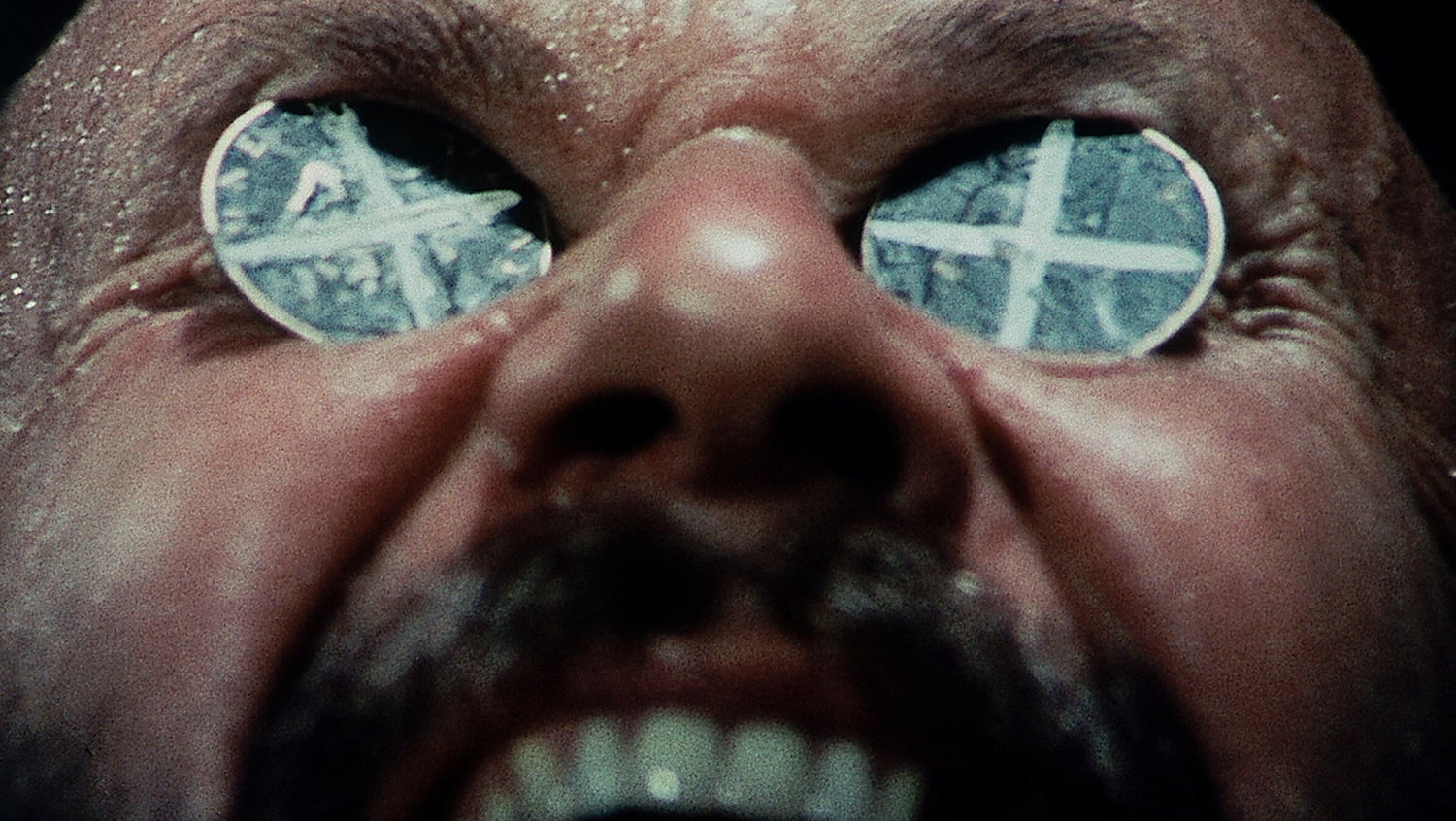
GODS OF TIMES SQUARE

(1999, USA, Richard Sandler)

Filmed over the course of the 1990s, Gods of Times Square is a street-level chronicle of New York’s most volatile crossroads during a period of accelerating commercial transformation. Stationed at the corner with a handheld camera, Richard Sandler records preachers, prophets, hustlers, conspiracy evangelists, and self-styled messiahs who command the sidewalks with competing visions of salvation and doom. As redevelopment advances and the neighbourhood’s rough edges are smoothed into tourist-friendly spectacle, the film captures a disappearing ecosystem of unfiltered expression, improvisation, and street-corner theology.

Sandler’s documentary operates as an urban ethnography: observational, patient, and attuned to the rhetorical rhythms of the individuals who populate the frame. Rather than editorialise, the film allows its subjects’ cosmologies — comic, tragic, apocalyptic, and deeply idiosyncratic — to overlap and contradict one another in real time. The result is a portrait of Times Square before its corporate remaking, a cacophonous public forum where belief, performance, and survival were inseparable.
Runtime: 118 mins
Certificate: 15
Wednesday 25.2
Doors 20:15pm
Film 20:45pm
Digital
Book here
Poster for ZACHARIAH

ZACHARIAH

(1971, USA, George Englund)

COSMIK DEBRIS presents

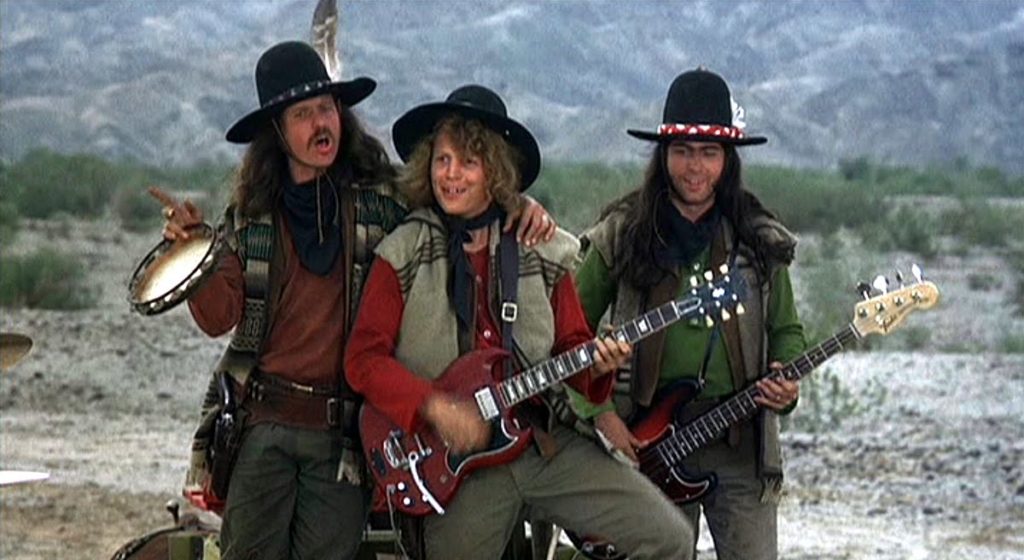
Billed as “the first electric Western,” Zachariah follows two young cowboys — Zachariah (John Rubinstein) and his restless partner Matthew (Don Johnson) — who drift across a surreal frontier in search of adventure, transcendence, and amplified self-expression. Their encounters include gunfights staged like rock concerts, mystical drifters, and outlaw gangs played by real musicians, most notably the James Gang and Country Joe and the Fish. As their paths diverge, Zachariah’s pursuit of enlightenment collides with the violent demands of the frontier myth, pushing him toward a reckoning between pacifism, ego, and spectacle.
A countercultural curio that merges rock-opera energy with genre pastiche, Zachariah filters the Western through psychedelia, improvisation, and early-1970s youth-culture sensibilities. The film’s fractured narrative, musical interludes, and hallucinatory tone create an eccentric, free-form reimagining of frontier mythology — at once parody, homage, and cultural artifact of an era when Hollywood briefly flirted with experimentation well outside the studio mainstream.
Runtime: 93 mins
Certificate: 15
Thursday 26.2
Doors 6pm
Film 6:30pm
Digital
Book here
Poster for DEAD MAN

DEAD MAN

(1995, USA, Jim Jarmusch)

COSMIK DEBRIS presents:

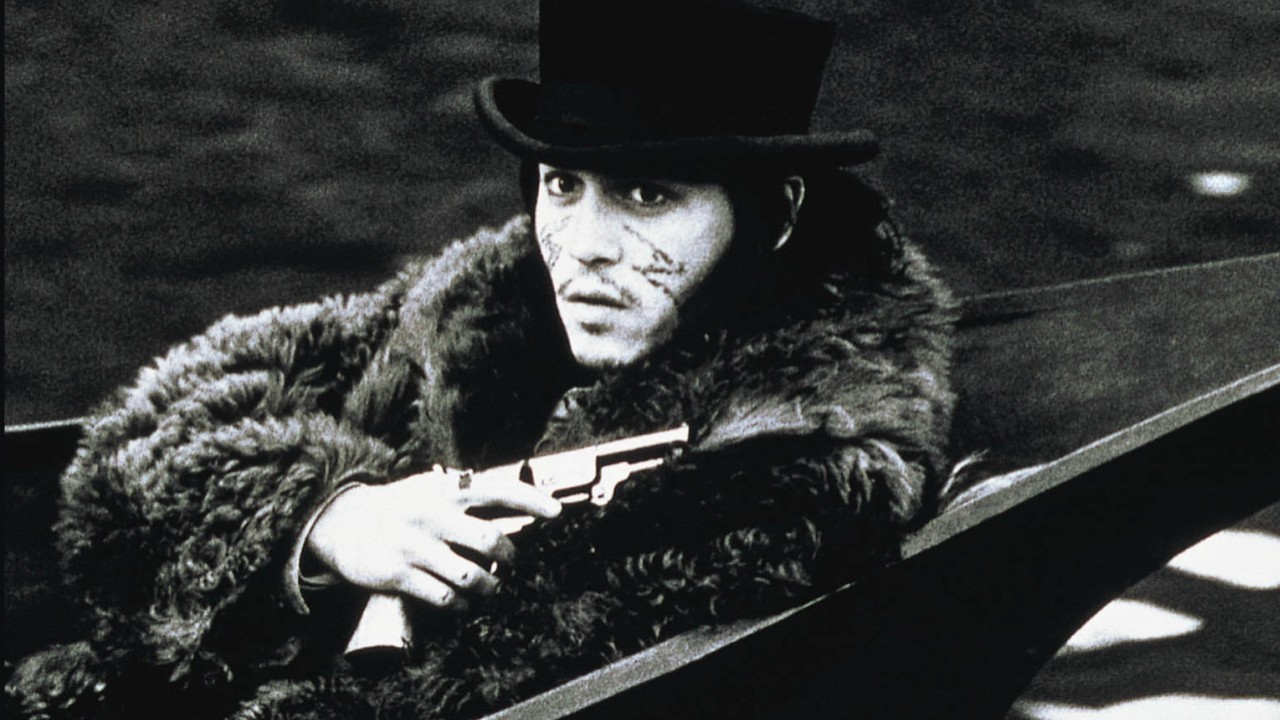
After travelling west to take a bookkeeping job that no longer exists, William Blake (Johnny Depp) becomes an accidental fugitive when a violent misunderstanding leaves him wounded and on the run. Guided by a mysterious outcast named Nobody (Gary Farmer), who believes Blake to be a reincarnated poet destined for a spiritual journey, he moves through a frontier defined by decay, greed, and hallucinatory violence. As bounty hunters close in, Blake’s passage becomes less an escape than a gradual dissolution of identity, morality, and physical world.

A stark, revisionist anti-western, Dead Man reframes the frontier as a terminal landscape — a space already poisoned by industrial incursion and moral exhaustion. Jarmusch’s minimalist direction, Robby Müller’s high-contrast black-and-white cinematography, and Neil Young’s improvised, electric score create a drifting, elegiac atmosphere. What emerges is a metaphysical western that interrogates American mythologies, charting a journey toward death that feels both intimate and cosmically indifferent.
Runtime: 121 mins
Certificate: 15
Thursday 26.2
Doors 8:15pm
Film 8:45pm
Digital
Book here
Poster for DEVIL STORY

DEVIL STORY

(1986, France, Bernard Launois)


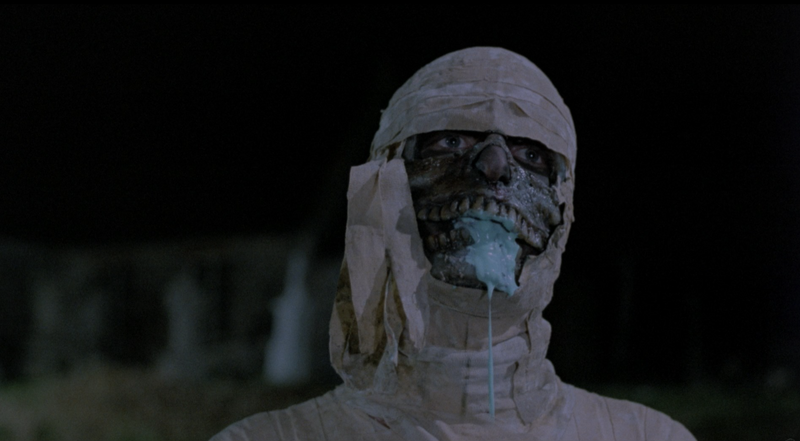
On a storm-soaked night in the countryside, a series of violent and inexplicable events ensnares a stranded couple who stumble upon a masked killer, a restless undead horse, and a curse older than the crumbling manor that looms over them. As chaos spreads, the boundaries between superstition and reality collapse, leaving them trapped in a looping nightmare that defies reason.


A delirious mix of pulp horror and surreal chaos, Devil Story embraces its own madness, transforming camp and terror into a fever dream of curses, creatures, and uncanny atmosphere. The film lingers as a gleefully unhinged reminder that not all nightmares follow logic.
Runtime: 76 mins
Certificate: 18
Friday 27.2
Doors 6pm
Film 6:30pm
Digital
Book here
Poster for MYSTERY MOVIE

MYSTERY MOVIE

Not for the easily offended, and strictly programmed for adult audiences only - our mystery films are eye-popping forays into the bold and bonkers world of psychotronic cinema. Expect the unacceptable.
Certificate: 18
Friday 27.2
Doors 8:15pm
Film 8:45pm
Digital
Book here
Poster for AMERICAN MOVIE

AMERICAN MOVIE

(1999, USA, Chris Smith)

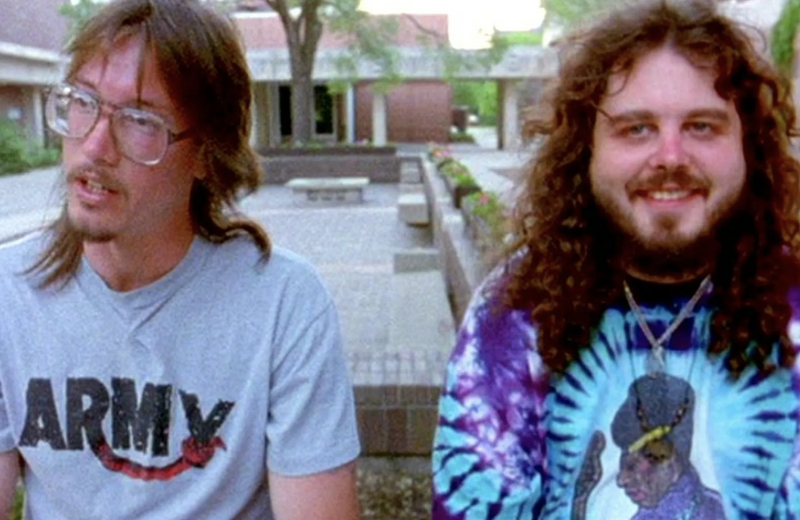
Mark Borchardt, an aspiring filmmaker in Wisconsin, struggles to complete his low-budget horror film Coven, juggling financial woes, personal setbacks, and relentless ambition. Friends and family become both collaborators and obstacles as he chases his dream against overwhelming odds.

Funny, inspiring, and at times heartbreaking, American Movie is a documentary about obsession, creativity, and the eccentric determination required to make art, capturing the highs and lows of pursuing a passion with unflinching honesty.

Runtime: 107 mins
Certificate: 15
Saturday 28.2
Doors 3pm
Film 3:30pm
Digital
Book here
Poster for BLONDE DEATH (ON VHS)

BLONDE DEATH (ON VHS)

(1984, USA, James Robert Baker)

Shot on consumer-grade video and circulating for decades as a near-mythic underground tape, Blonde Death follows the runaway odyssey of Tammy, a teenage misfit fleeing an abusive home with two queer outsiders who christen themselves her new family. Their improvised road trip blends impulsive romance, petty crime, and manic self-invention, gradually collapsing into violence as the trio drifts further from stability. The film’s messy exuberance is threaded with a growing sense of doom, capturing the volatility of youth pushed to the margins.

A seminal artifact of queer DIY cinema, Blonde Death fuses melodrama, punk energy, and camp excess with unexpectedly sharp social commentary. Director James Robert Baker — better known for his incendiary fiction — uses the limitations of shot-on-video production to amplify the film’s immediacy and emotional rawness. The result is a rare, transgressive work whose jagged form reflects the precarity, rebellion, and desperation of its characters, standing at the intersection of outsider art and queer counterculture.
Runtime: 98 mins
Certificate: 18
Saturday 28.2
Doors 5:30pm
Film 6pm
VHS
Book here
Poster for DOA: A RIGHT OF PASSAGE

DOA: A RIGHT OF PASSAGE

(1980, , Lech Kowalski)

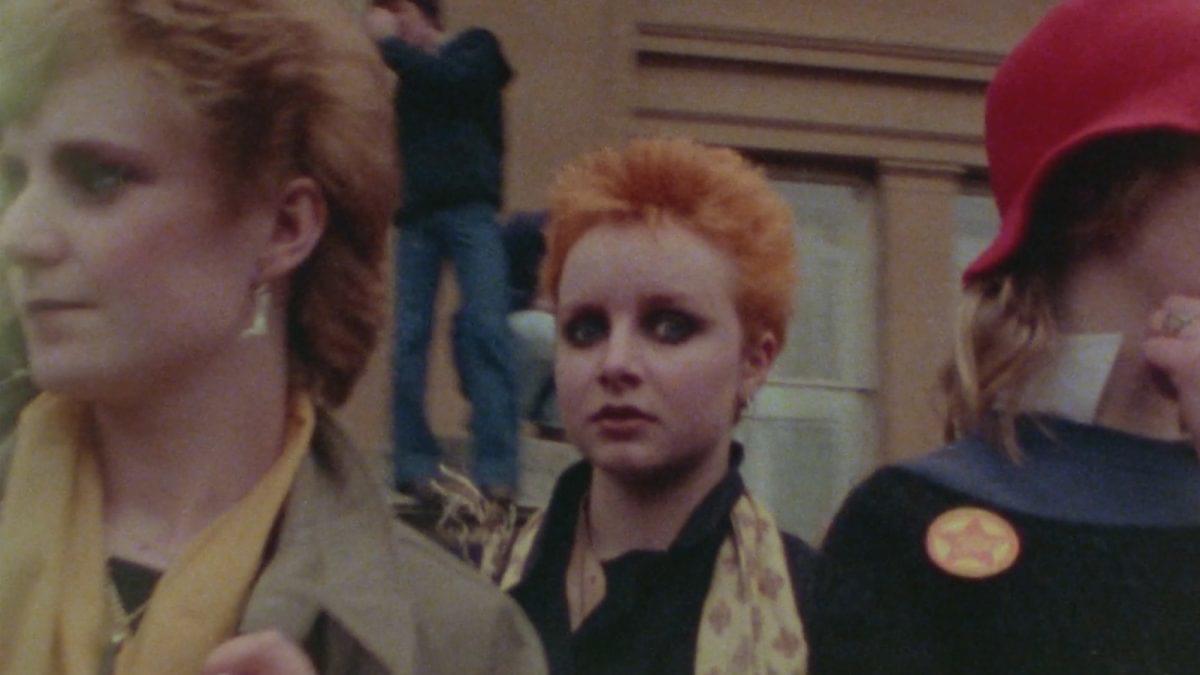
Filmed across the late 1970s, D.O.A.: A Right of Passage documents the early international eruption of punk with an emphasis on the Sex Pistols’ chaotic and short-lived U.S. tour. Interspersed with candid interviews, club performances, and street-level encounters, the film captures a moment when punk existed as raw impulse rather than codified style: a collision of youthful antagonism, cultural anxiety, and institutional backlash. Alongside the Pistols, Kowalski’s camera turns to other emerging acts — including The Dead Boys and Generation X — as well as the fans and detractors who defined the scene’s volatile public face.

Kowalski’s approach is observational and unvarnished, favouring immediacy over narrative cohesion. The result is a documentary that functions less as a polished historical record than as a sociological snapshot of subcultural energy at breaking point — a portrait of a movement still forming its identity in real time, as commercial forces and moral panic gathered at its edges.
Runtime: 96 mins
Certificate: 18
Saturday 28.2
Doors 8pm
Film 8:30pm
Digital
Book here
Poster for HARD BOILED

HARD BOILED

(1992, Hong Kong, John Woo)

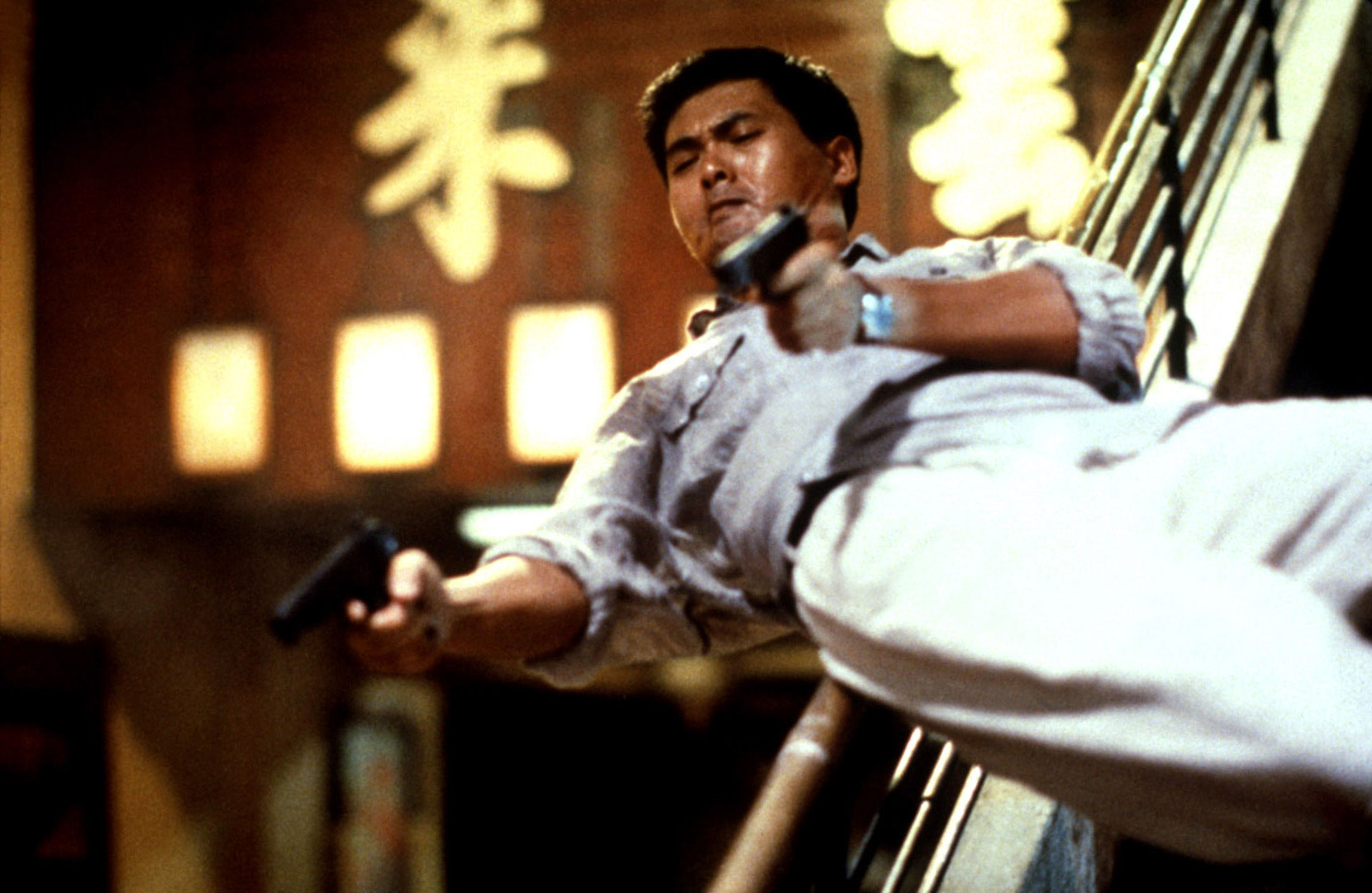
Finally restored after being out of circulation for decades! Hard-drinking Hong Kong inspector known as “Tequila” pursues a gun-running syndicate whose operations run from teahouses and warehouses to the fluorescent corridors of a private hospital. His investigation converges with an undercover officer embedded deep within the criminal network, the two men forced into a fragile alliance as their professional roles and moral boundaries blur. What begins as a familiar cops-and-triads pursuit escalates into sustained, close-quarters combat, with public and supposedly secure spaces transformed into zones of continuous crisis. The film’s momentum lies not in plot revelation but in accumulation — of bodies, shattered interiors, and decisions made under extreme pressure.

Produced at the peak of Hong Kong’s pre-handover action cycle, Hard Boiled channels an industry working at full technical capacity, where elaborate stunt work and practical effects underpin its sense of physical immediacy. The film reframes the heroic codes and male bonding of earlier crime melodramas within modern institutional settings, suggesting a city where systems of order — medical, legal, civic — are already indistinguishable from the violence they contain. Both police thriller and endurance spectacle, it stands as a defining artifact of a moment when local genre cinema translated urban anxiety and industrial virtuosity into a relentless choreography of destruction.
Runtime: 128 mins
Certificate: 18
Friday 6.3
Doors 5.30pm
Film 6pm
Digital
Book here
Poster for HARD BOILED

HARD BOILED

(1992, Hong Kong, John Woo)

Finally restored after being out of circulation for decades! Hard-drinking Hong Kong inspector known as “Tequila” pursues a gun-running syndicate whose operations run from teahouses and warehouses to the fluorescent corridors of a private hospital. His investigation converges with an undercover officer embedded deep within the criminal network, the two men forced into a fragile alliance as their professional roles and moral boundaries blur. What begins as a familiar cops-and-triads pursuit escalates into sustained, close-quarters combat, with public and supposedly secure spaces transformed into zones of continuous crisis. The film’s momentum lies not in plot revelation but in accumulation — of bodies, shattered interiors, and decisions made under extreme pressure.

Produced at the peak of Hong Kong’s pre-handover action cycle, Hard Boiled channels an industry working at full technical capacity, where elaborate stunt work and practical effects underpin its sense of physical immediacy. The film reframes the heroic codes and male bonding of earlier crime melodramas within modern institutional settings, suggesting a city where systems of order — medical, legal, civic — are already indistinguishable from the violence they contain. Both police thriller and endurance spectacle, it stands as a defining artifact of a moment when local genre cinema translated urban anxiety and industrial virtuosity into a relentless choreography of destruction.
Runtime: 128 mins
Certificate: 18
Monday 9.3
Doors 5.30pm
Film 6pm
Digital
Book here
Poster for THE KILLER

THE KILLER

(1989, Hong Kong, John Woo)

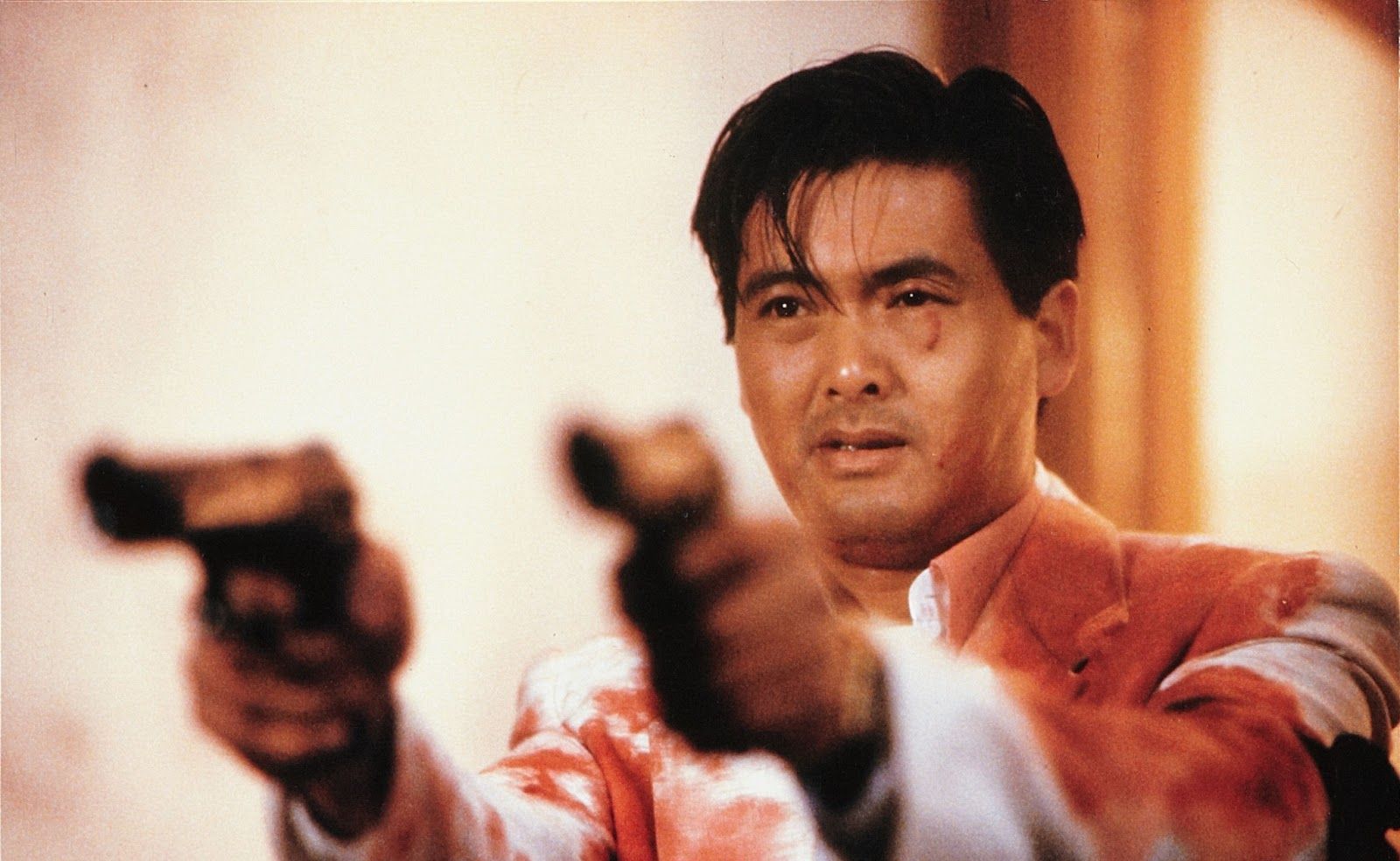
In a contract hit gone wrong, a seasoned assassin named Ah Jong accidentally blinds a nightclub singer during a routine job. Haunted by guilt and compelled by his own code of conduct, he takes on “one last job” not for pride but to secure the funds for her restorative surgery, even as rival factions close in on his trail. Meanwhile, an unorthodox and determined police detective follows Ah Jong through Hong Kong’s crowded clubs, neon thoroughfares, and rain-slicked back streets, forging an uneasy connection between hunter and hunted that blurs conventional roles of law and criminality. The narrative unfolds not as a classic whodunit but as a sequence of escalating moral crises and carefully choreographed confrontations, where each act of gunplay is both a tactical necessity and a moment of emotional reckoning.

Situated within the heroic bloodshed tradition of late-1980s Hong Kong cinema, The Killer pairs intense balletic violence with reflective themes of honour, friendship, and jeopardised empathy. Ah Jong’s bond with the singer and the shifting rapport with his pursuer underscore Woo’s interest in personal codes of loyalty that operate outside institutional frameworks. Drawn from influences as diverse as French crime films and American urban dramas, the film uses slow-motion gun battles and punctuated silences to map inner conflict onto the city’s material spaces, creating an action melodrama that balances spectacle with melancholy. Its enduring international reputation reflects both its stylistic precision and its resonance as a work that complicates the archetype of the professional killer, positioning The Killer as a defining example of its genre and era.
Runtime: 111 mins
Certificate: 18
Friday 20.3
Doors 6pm
Film 6.30pm
Digital
Book here
Poster for THE KILLER

THE KILLER

(1989, Hong Kong, John Woo)

In a contract hit gone wrong, a seasoned assassin named Ah Jong accidentally blinds a nightclub singer during a routine job. Haunted by guilt and compelled by his own code of conduct, he takes on “one last job” not for pride but to secure the funds for her restorative surgery, even as rival factions close in on his trail. Meanwhile, an unorthodox and determined police detective follows Ah Jong through Hong Kong’s crowded clubs, neon thoroughfares, and rain-slicked back streets, forging an uneasy connection between hunter and hunted that blurs conventional roles of law and criminality. The narrative unfolds not as a classic whodunit but as a sequence of escalating moral crises and carefully choreographed confrontations, where each act of gunplay is both a tactical necessity and a moment of emotional reckoning.

Situated within the heroic bloodshed tradition of late-1980s Hong Kong cinema, The Killer pairs intense balletic violence with reflective themes of honour, friendship, and jeopardised empathy. Ah Jong’s bond with the singer and the shifting rapport with his pursuer underscore Woo’s interest in personal codes of loyalty that operate outside institutional frameworks. Drawn from influences as diverse as French crime films and American urban dramas, the film uses slow-motion gun battles and punctuated silences to map inner conflict onto the city’s material spaces, creating an action melodrama that balances spectacle with melancholy. Its enduring international reputation reflects both its stylistic precision and its resonance as a work that complicates the archetype of the professional killer, positioning The Killer as a defining example of its genre and era.
Runtime: 111 mins
Certificate: 18
Saturday 28.3
Doors 3pm
Film 3.30pm
Digital
Book here